A material-by-material guide to cremation urn care
A cremation urn may be placed at home, in a columbarium niche, in a memorial space, in a garden, at a cemetery or in a memorial park. The right way to clean it depends mainly on the material, finish and location of the urn. A polished bronze urn, a glazed ceramic urn, a wooden urn and a natural stone urn all need a different approach.
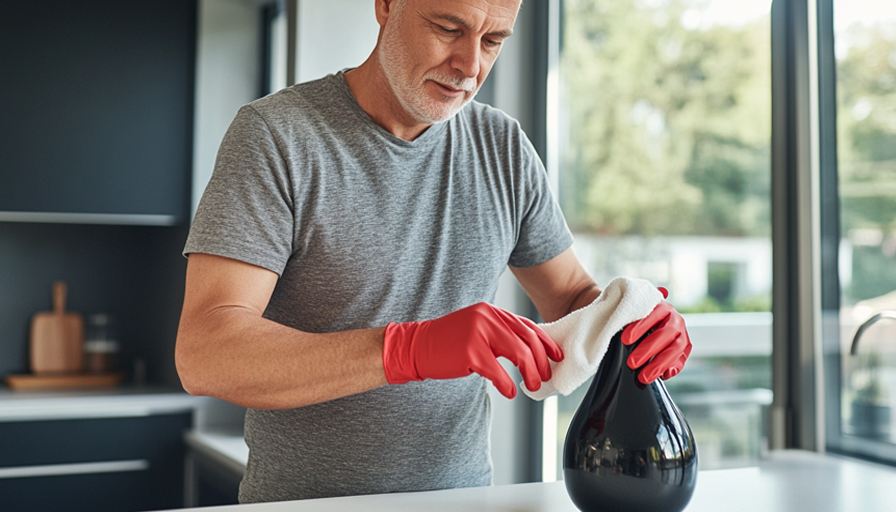
The most important rule is simple: clean gently. In most cases, regular dusting with a soft, dry cloth is safer than using water, polish or household cleaning products. If the urn contains ashes or cremated remains, or if it has been sealed, never submerge it in water and never try to open it unless you are certain this is safe and appropriate.
If you are still choosing an urn and want to compare materials, you may also find our guide to urn materials for cremated ashes helpful.
Cremation urn care by material: quick guide
| Material | Best cleaning method | Avoid | Best kept |
|---|---|---|---|
| Bronze | Soft cloth, mild soap if needed, dry thoroughly. Beeswax can help slow oxidation if suitable for the finish. | Acids, ammonia, abrasive polish and over-polishing lacquered surfaces. | Indoors or outdoors when the urn is suitable for outdoor use. |
| Brass | Microfiber cloth, mild soapy water, careful drying and occasional brass polish if suitable. | Abrasive pads, strong chemicals and polish on lacquered finishes. | Mostly indoors, unless the product is designed for outdoor placement. |
| Ceramic | Dry or slightly damp soft cloth, handled with two hands. | Harsh cleaners, soaking, sudden temperature changes and rough handling. | Indoors, unless stated otherwise on the product page. |
| Glass | Lint-free cloth, light damp cleaning and immediate drying. | Scouring pads, immersion in water and aggressive glass cleaners. | Indoors in a stable place where it cannot be knocked. |
| Fiberglass | Soft cloth or sponge with mild soap, then dry carefully. | Solvents, abrasive cleaners and long exposure to strong sunlight. | Indoors or in a protected location, depending on finish. |
| Natural stone | Soft cloth, pH-neutral cleaner if needed, dry immediately. | Vinegar, acidic cleaners, standing water and abrasive pads. | Indoors or outdoors only if the urn is suitable for outdoor use. |
| Steel | Dry dusting, mild soap if needed, wipe dry immediately. | Steel wool, scratches and moisture left on the surface. | Indoors in a dry environment. |
| Stainless steel | Microfiber cloth, mild detergent, wipe with the grain and dry thoroughly. | Chlorine, abrasive pads and leaving water spots to dry naturally. | Indoors or outdoors if made for outdoor use. |
| Wood | Soft dry cloth, occasional suitable wax or polish if appropriate. | Water, direct sunlight, high humidity and oil-based products unless recommended. | Indoors in a stable, dry environment. |
Good to know: always check the product page or care instructions before using polish, wax, water or cleaning products. A cleaner that is safe for one material can damage another. This is especially important for lacquered metal, painted ceramic, polished stone, hand-painted wood and sealed urns.
General care tips for all cremation urns
Whatever the material, a few careful habits will help preserve the urn for many years:
- Dust regularly with a soft, dry microfiber cloth.
- Handle the urn with clean, dry hands.
- Keep the urn away from edges, narrow shelves and unstable surfaces.
- Avoid strong household cleaners, abrasive pads, bleach, vinegar and ammonia.
- Do not soak or rinse an urn that contains ashes or cremated remains.
- Do not try to open a sealed urn unless you know how it was closed.
- Keep indoor urns away from direct sunlight, excessive humidity and heat sources.
- For outdoor urns, check the surface, seal and placement from time to time.
If you are unsure whether a product is suitable for water, polish, wax or outdoor conditions, always check the product description or contact us before cleaning.
Cleaning and maintaining bronze urns
Bronze urns offer a warm, classic and lasting appearance. Bronze can be suitable for indoor and outdoor memorials, depending on the model and finish. Over time, bronze can oxidize and develop a green patina, similar to the surface seen on older bronze statues. This natural process is not necessarily harmful. Some families appreciate the aged appearance, while others prefer to preserve the original brown-gold tone for as long as possible.
If you want to slow down oxidation, a thin layer of transparent wax, such as natural beeswax, can help protect the surface. This should be applied carefully and only when suitable for the finish. If the urn has a lacquered or coated surface, avoid polish or wax unless the product information confirms it is safe.
For outdoor bronze urns, a changing patina should normally be expected. This is part of the natural aging of bronze and does not automatically mean the urn is damaged.
Steps for cleaning bronze urns
- Dust regularly: use a soft, dry cloth or microfiber duster.
- Use mild soap only when needed: mix a small amount of gentle soap with warm water and wipe with a lightly damp cloth.
- Dry thoroughly: never leave moisture on bronze.
- Use polish sparingly: only use a non-abrasive bronze polish if the finish allows it, and test first in a hidden area.
- Apply beeswax carefully: a thin layer can help protect the patina and surface. Buff gently with a soft cloth.
- Avoid harsh chemicals: acids, ammonia and aggressive cleaning products can damage the surface.
- Limit moisture: for indoor bronze urns, choose a dry, stable environment.
For an outdoor bronze urn, check periodically for moisture, dirt, leaves and changes in the surface. Outdoor patina is normal, but standing water and unsuitable cleaners should be avoided.
Cleaning and maintaining brass urns
Brass urns are known for their rich golden tone. Over time, brass can become dull or develop a darker, aged appearance. Some families like this natural change, while others prefer a polished finish.
Steps for cleaning brass urns
- Dust with a microfiber cloth: gentle weekly dusting helps prevent buildup.
- Use mild soapy water if needed: wipe with a lightly damp cloth, not a wet one.
- Dry immediately: water marks can appear if moisture is left on the surface.
- Polish carefully: use a dedicated brass polish only when suitable for the finish.
- Avoid abrasive pads: these can scratch brass and remove protective coatings.
If the brass urn has a lacquer coating, do not polish it unless the product information states that polishing is suitable. Polishing a lacquered urn can damage the protective layer.
Cleaning and maintaining ceramic urns
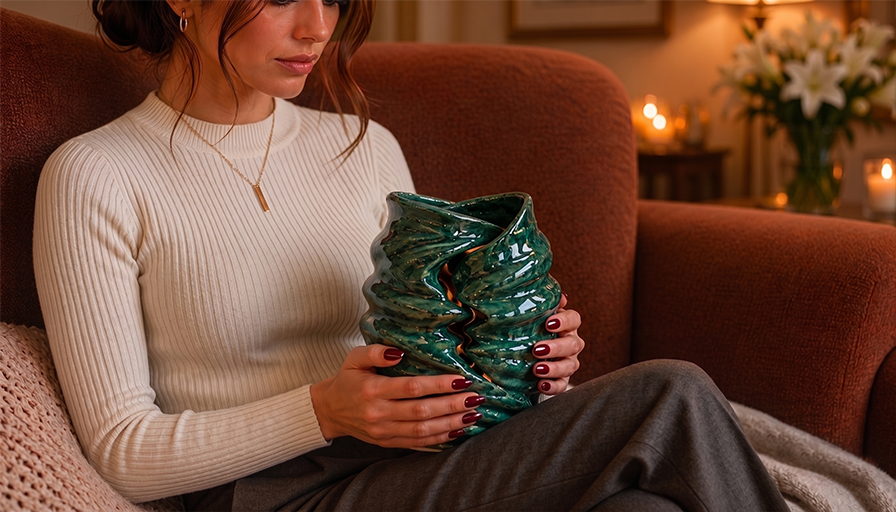
Ceramic urns are often handmade, glazed, painted or finished with artistic details. Their beauty is partly in the craftsmanship, but that also means they should be handled with care.
Steps for cleaning ceramic urns
- Handle with two hands: ceramic can chip or crack if dropped or knocked.
- Dust gently: use a soft, dry microfiber cloth.
- Use very little moisture: if needed, use a slightly damp cloth and dry immediately.
- Avoid harsh chemicals: abrasive or ammonia-based cleaners can damage glaze or decoration.
- Avoid sudden temperature changes: do not place ceramic urns near strong heat, frost or direct drafts.
For painted ceramic urns, dry dusting is usually the safest option. Avoid moisture unless you are sure the painted finish is protected.
Cleaning and maintaining glass urns
Glass urns are valued for their clarity, light reflection and modern appearance. They can be delicate, so cleaning should be slow and careful.
Steps for cleaning glass urns
- Use a lint-free cloth: microfiber cloths are usually best.
- Use mild soapy water only when needed: lightly dampen the cloth rather than the urn.
- Dry immediately: this helps prevent water spots and streaks.
- Avoid abrasives: scouring pads and rough cloths can scratch the surface.
- Use glass cleaner cautiously: only use a cleaner suitable for delicate glass and never spray directly near openings, seals or decoration.
Do not submerge a glass urn in water, especially if it is sealed, contains ashes or has decorative elements.
Cleaning and maintaining fiberglass urns
Fiberglass urns are lightweight, durable and resistant to corrosion. Their surface finish still needs gentle care, especially if the urn is colored, painted or polished.
Steps for cleaning fiberglass urns
- Dust regularly: use a soft cloth or feather duster.
- Clean with mild soap: use a soft sponge or cloth with a gentle soap solution.
- Remove soap residue: wipe with a clean damp cloth.
- Dry carefully: use a soft towel to prevent marks.
- Avoid solvent-based cleaners: these can affect the finish.
To help preserve color and finish, avoid placing fiberglass urns in strong direct sunlight for long periods unless the product is designed for that environment.
Cleaning and maintaining stone urns
Stone urns, including marble, granite and other natural stones, are chosen for their solid and timeless quality. Natural stone can be polished, honed or textured, and each finish needs gentle care.
Stone can also be porous. This means acidic cleaners, standing water and harsh scrubbing can cause staining, dullness or surface damage. Marble is generally more sensitive to acids than granite, while granite is often more practical for outdoor use when the product is made for that purpose.
Steps for cleaning stone urns
- Use a pH-neutral cleaner: avoid vinegar, lemon, acidic products and aggressive household cleaners.
- Use only a soft cloth or sponge: abrasive materials can scratch polished stone.
- Dry after cleaning: do not leave moisture on the surface or around the lid.
- Avoid standing water: moisture can seep into porous stone and cause discoloration.
- Check sealant or finish: if the stone has a protective treatment, follow the product instructions.
Polished stone can be gently buffed with a dry cloth to maintain its shine. Unpolished or textured stone should be kept dry and dusted regularly.
For more detailed guidance, visit our dedicated care page: Cleaning and maintaining a natural stone urn or memorial.
Cleaning and maintaining steel urns
Steel urns, often powder-coated or enamel-finished, offer a strong and sleek appearance. They are durable, but scratches and moisture can still affect the surface.
Steps for cleaning steel urns
- Dust with a microfiber cloth: remove dust without scratching the surface.
- Use mild soap if needed: apply with a lightly damp cloth.
- Wipe dry immediately: do not let water remain on the surface.
- Avoid scratches: never use steel wool, scouring pads or abrasive powders.
Steel urns are usually best kept indoors in a dry, temperature-stable environment unless the product is specifically described as suitable for outdoor placement.
Cleaning and maintaining stainless steel urns
Stainless steel urns are highly resistant to corrosion and can be a strong choice for both indoor and outdoor memorials, depending on the grade and design of the urn. Outdoor suitability should always be checked on the product page.
Steps for cleaning stainless steel urns
- Use a soft cloth: dry or slightly damp microfiber cloths are ideal.
- Use mild detergent: mix a few drops with warm water and apply gently.
- Wipe in the direction of the grain: this helps avoid streaks.
- Rinse and dry thoroughly: this helps prevent water spots.
- Use stainless steel polish occasionally: only if suitable for the finish.
- Avoid chlorine: chlorine-based products can damage stainless steel.
For more detailed guidance, visit our dedicated care page: Maintenance of stainless steel urns.
Cleaning and maintaining wooden urns
Wood cremation urns bring warmth, natural beauty and a softer feel to a memorial space. Because wood is an organic material, it reacts to moisture, dryness, sunlight and temperature changes.
Steps for cleaning wooden urns
- Dust regularly: use a soft, dry cloth.
- Avoid moisture: water can stain, swell or warp the wood.
- Use polish carefully: only use a suitable wood polish or wax if appropriate for the finish.
- Avoid oil-based products unless recommended: some oils can attract dust or alter the finish.
- Keep out of direct sunlight: sunlight can cause fading, discoloration or cracking.
- Maintain stable humidity: very dry or humid conditions can cause the wood to expand or contract.
If the wooden urn is hand-painted, inlaid or decorated, dry dusting is usually safest. Avoid liquid cleaners unless the product information confirms they are suitable.
Caring for outdoor urns
Outdoor urns require more regular checks than urns kept indoors. Weather, moisture, frost, strong sunlight, soil contact, salt air and standing water can all affect the appearance and condition of an urn over time.
If you choose an urn for a garden, cemetery, memorial park, cremation garden or another outdoor location, make sure it is specifically suitable for outdoor placement. You may also wish to view our outdoor cremation urns.
- Place the urn on a stable, level surface.
- Avoid placing the urn where water collects around the base.
- Check the closure, seal and surface from time to time.
- Remove leaves, dirt and bird droppings gently.
- Use only cleaning products suitable for the urn material.
- Consider more frequent checks in coastal areas because salt air can affect some materials.
What should you never use to clean a cremation urn?
Many types of damage are caused not by dust, but by cleaning too strongly. When in doubt, choose the gentlest method first.
- Do not use bleach, vinegar, ammonia or strong household cleaners.
- Do not use abrasive pads, steel wool or scouring powder.
- Do not soak or submerge an urn.
- Do not spray cleaner directly onto openings, seams, engravings or lids.
- Do not polish a lacquered urn unless the product information allows it.
- Do not use acidic products on stone, especially marble.
- Do not use solvent-based cleaners on fiberglass, painted or coated urns.
Further reading
These pages may help if you are choosing a cremation urn, comparing materials or caring for a related memorial product:
Cremation urns
View the main collection and compare different styles and materials.
Guide to urn materials
Compare wood, ceramic, metal, stone, glass and biodegradable urns.
Caring for cremation ashes jewelry
Practical care tips for cremation jewelry and memorial jewelry.
Cremation jewelry
View memorial jewelry designed to hold a small symbolic amount of ashes.
Final tips for all cremation urns
Regardless of the urn material, these general tips will help preserve its condition:
- Always handle the urn with clean, dry hands.
- Do not attempt to open sealed urns unless you know this is safe and appropriate.
- Store indoor urns away from excessive humidity and direct light.
- Avoid placing urns where they can be knocked over easily.
- Check outdoor urns more frequently than indoor urns.
- Follow the product description for material-specific care.
If you are ever unsure, consult the seller, maker, funeral home, crematory or product information before using a cleaning product.
Frequently asked questions about cleaning cremation urns
Can I clean a cremation urn with water?
Sometimes, but only with great care. A slightly damp cloth may be suitable for many urns, but the urn should never be soaked or submerged. Wood, painted finishes, sealed urns and urns containing ashes or cremated remains need extra caution.
How often should I clean an urn?
For most indoor urns, gentle dusting every few weeks is enough. Outdoor urns may need more frequent checks, especially after rain, frost, strong sun or windy weather.
Can I use household cleaner on an urn?
Usually, no. Many household cleaners are too strong and can damage metal, stone, wood, glaze, lacquer or paint. A soft cloth is often safest. If cleaning is needed, use a mild product suitable for the urn material.
How do I clean a bronze urn?
Dust bronze with a soft cloth. If needed, use a mild soap solution and dry it immediately. Beeswax can help protect the surface, but avoid polish or wax if the urn has a lacquered finish unless the product instructions confirm it is safe.
Is green patina on a bronze urn damage?
Not necessarily. Bronze can naturally develop a green patina over time, especially outdoors. Some families like this aged look. If you prefer to slow the change, use suitable care products only when they match the urn’s finish.
How do I care for a wooden urn?
Keep wooden urns dry and away from direct sunlight, high humidity and heat sources. Dust with a soft dry cloth and only use wood polish or wax if it is suitable for the finish.
How do I clean a stone urn?
Use a soft cloth and, if needed, a pH-neutral cleaner. Avoid vinegar, lemon, acidic products and abrasive pads, especially on marble or polished stone.
Can outdoor urns stay outside all year?
Only urns that are specifically suitable for outdoor placement should remain outside for long periods. Check the material, finish, closure and product description before placing an urn outdoors permanently.
Can I polish a cremation urn?
Only if the material and finish allow it. Some bronze, brass or stainless steel urns can be polished carefully, but lacquered, painted, coated, ceramic, stone and wooden urns may be damaged by the wrong polish.
Should I open a sealed urn before cleaning it?
No. A sealed urn should normally remain closed. Clean only the outside with a gentle method suitable for the material. If you need to open a sealed urn, ask the seller, maker, funeral home or crematory for advice first.
Honoring your loved one with care
Maintaining and cleaning an urn is more than a household task. It is a quiet way of honoring the memory of someone cherished. By caring for the urn with patience and gentle attention, you help preserve both its appearance and its emotional significance.
Whether you ask yourself “How do I care for the urn?” or “How do I maintain the urn?”, the answer is the same: with respect, the right materials and a careful approach, a cremation urn can remain a lasting symbol of remembrance for many years to come.