What Is the Best Urn Material for Cremated Ashes?
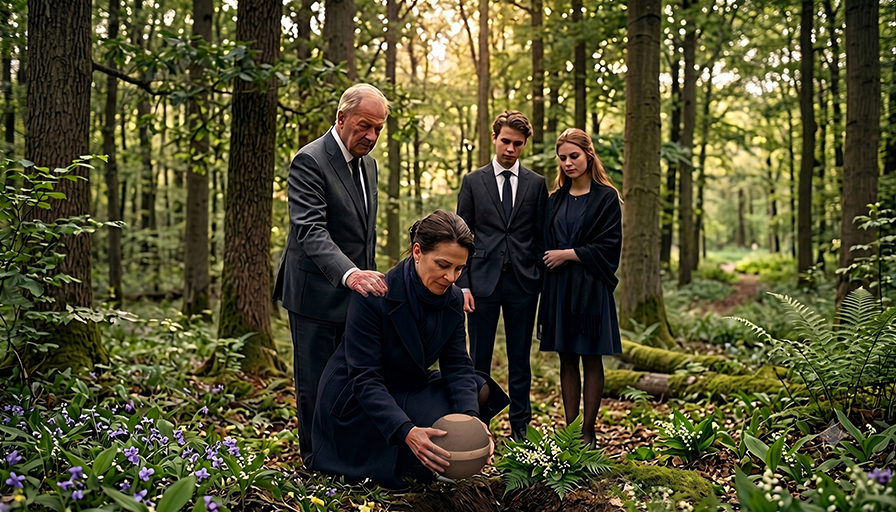
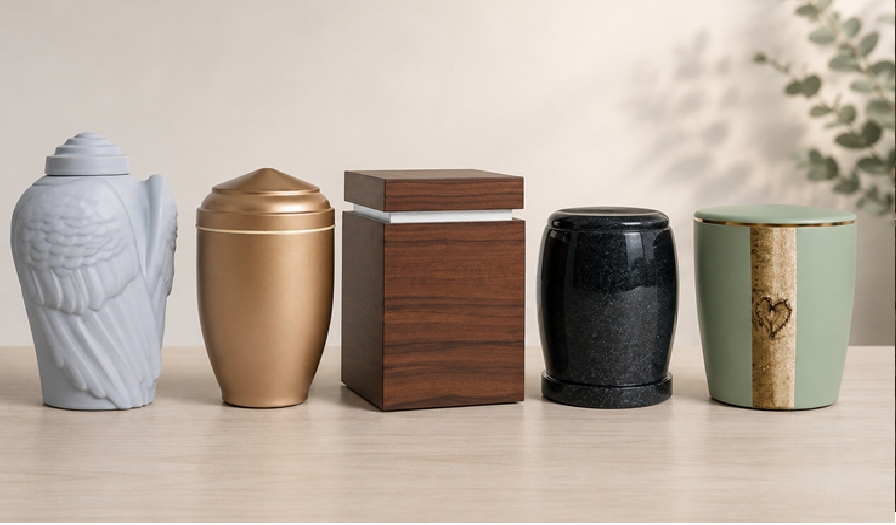
The best urn material for cremated ashes depends on how the ashes will be kept, displayed, buried, scattered, transported or shared. Metal, bronze, stainless steel and natural stone urns are often chosen for strength and long-term durability. Ceramic, porcelain, wood and glass urns are usually preferred for indoor memorials. Biodegradable urns are designed for natural burial, water placement, burial at sea or scattering ceremonies.
Choosing a cremation urn is therefore not only a matter of appearance. The material should protect the cremated remains, suit the intended setting and feel appropriate to the person being remembered. A handmade ceramic urn may be right for a quiet indoor memorial. A stainless steel, bronze or natural stone urn may be more suitable when durability is the main concern. A wooden urn may feel natural and familiar. A biodegradable urn may be the most meaningful choice when the family wishes to return the ashes to earth or water.
Cremated remains are generally stable and do not deteriorate in the same way as organic material. The role of the urn is mainly to protect them from accidental spilling, moisture, unsuitable storage, breakage, frequent handling and transport risks. The most protective urn is not always the strongest-looking one. It is the urn that matches the way it will actually be used.
For families in the United States: rules and requirements can differ by state, cemetery, crematory, funeral home, columbarium, natural burial ground and transportation provider. Before choosing an urn for burial, niche placement, outdoor use, water placement, burial at sea or travel, check the size, material, closure and documentation requirements with the funeral home, crematory, cemetery, memorial site or service provider.
Start with the most important question: where will the ashes be kept?
Before comparing urn materials, begin with the intended use. This one question often makes the decision clearer than style alone.
| Intended use | Usually suitable materials | What to check first |
|---|---|---|
| Home display | Ceramic, porcelain, wood, metal, bronze, natural stone, glass or sculptural urns | Stability, fragility, closure, room humidity and whether the urn will be handled often. |
| Columbarium niche | Metal, stone, ceramic, porcelain, wood or other stable urns, depending on the niche rules | External dimensions, weight, lid type and any cemetery, crematory or columbarium requirements. |
| Cemetery burial | Metal, stone, hardwood or biodegradable urns, depending on cemetery rules | Whether an urn vault is required, and whether the cemetery accepts the chosen material. |
| Outdoor or garden placement | Granite, natural stone, bronze, stainless steel and selected outdoor-suitable ceramic urns | Weather resistance, frost resistance, salt air, cleaning and whether the product is explicitly suitable for outside. |
| Natural burial, water placement or burial at sea | Biodegradable materials such as bamboo, paper, sand, salt, natural fibers or other approved materials | Whether the urn is suitable for soil, water, burial at sea or scattering, and what the location permits. |
| Sharing ashes with family | Keepsake urns, mini urns and cremation jewelry | Capacity, filling method, sealing and whether the item holds only a symbolic portion of ashes. |
Once the use is clear, the material becomes easier to choose. The question changes from “Which urn looks most beautiful?” to “Which urn will protect the ashes properly in the place and situation we have chosen?” That practical starting point helps families make a choice that feels both personal and secure.
Comparison of cremation urn materials
The table below gives a practical overview of the most common urn materials. Always check the individual product page as well, because suitability can differ by design, finish, closure and construction.
| Material | Look and feel | Weight | Indoor or outdoor | Best suited for | Care and cautions |
|---|---|---|---|---|---|
| Ceramic | Warm, handmade, artistic and often softly colored or glazed | Medium, depending on size and thickness | Usually indoor, unless specifically made for outdoor use | Artistic home memorials and personal designs | Fragile if dropped. Place on a stable surface away from edges. |
| Porcelain | Refined, smooth, delicate and often elegant | Light to medium | Usually indoor | Quiet interior memorials, classic forms and subtle designs | Can chip or break. Clean gently and avoid frequent handling. |
| Wood | Natural, familiar, warm and crafted | Light to medium | Indoor or protected placement | Natural home memorials, boxes, engraving and discreet personalization | Avoid damp, strong sunlight, fireplaces, heaters and temperature changes. |
| Brass | Traditional, decorative and often hand-finished | Medium to heavy | Mostly indoor or protected placement, depending on finish | Long-term keeping, classic urn shapes and engraved details | Finish may change with moisture or handling. Check suitability before burial or outdoor use. |
| Bronze | Solid, sculptural, dignified and long-lasting | Heavy | Often suitable for indoor and outdoor use when product specifies this | Garden memorials, durable sculptures, cemetery use and long-term remembrance | Bronze can develop patina over time. Outdoor finishes may need occasional care. |
| Stainless steel | Modern, clean, understated and strong | Medium | Often suitable for outdoor use when made for that purpose | Modern memorials, outdoor urns, garden placement and humid settings | Choose the correct grade and finish. Coastal salt air may still require care. |
| Natural stone or granite | Substantial, calm, timeless and naturally unique | Heavy | Often suitable for indoor, cemetery and outdoor placement | Stable memorials, garden urns, cemetery settings and long-term display | Heavy to move. Check niche dimensions and clean with suitable methods. |
| Glass or crystal | Luminous, symbolic, decorative and light-reflecting | Varies, often medium | Protected indoor placement | Decorative memorials, art objects and keepsakes | Fragile. Keep away from busy areas, children, pets and shelf edges. |
| Biodegradable materials | Natural, simple, temporary and often understated | Light to medium | Temporary indoor storage, natural burial, water placement or scattering use | Natural burial, water ceremonies and families who prefer a return to nature | Not intended for permanent home display. Check whether the urn is for soil, water, burial at sea or scattering. |
Are ceramic urns suitable for cremated ashes?
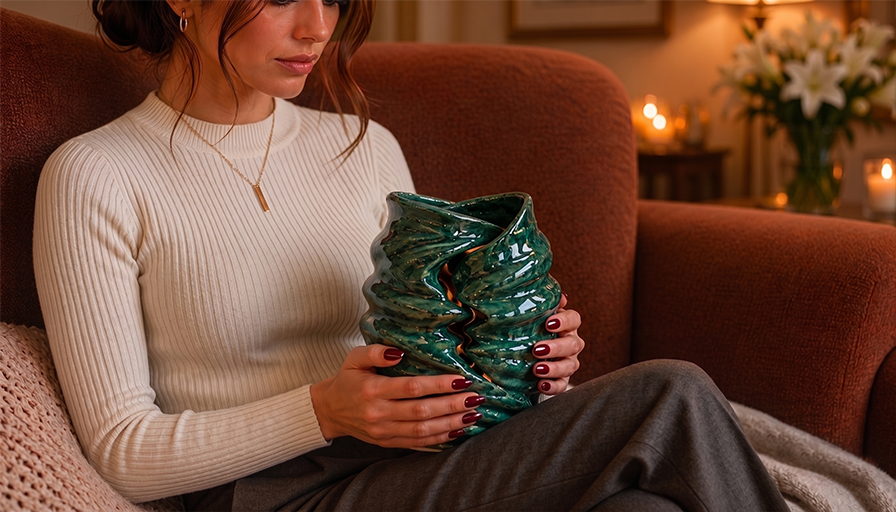
Ceramic urns are suitable for cremated ashes when they are made for that purpose and kept in a protected indoor setting. They are often chosen for their handmade character, sculptural form, glaze, color and artistic expression. Ceramic can feel softer and more personal than metal, especially when the family wants the urn to become part of a calm interior or memorial space.
The main consideration is fragility. Ceramic can preserve ashes very well, but it can break if dropped or knocked from a shelf. This does not make ceramic unsuitable. It simply means placement matters. A ceramic urn should be placed on a stable surface, away from busy walkways, shelf edges, children, pets or places where it may be handled often.
Some ceramic urns include an internal coating, protective lining or separate inner container. This can add reassurance by creating an extra layer between the ashes and the ceramic body of the urn. It can also help keep the cremated remains more contained if the outer urn is ever damaged.
Best for: indoor display, artistic memorials, handmade designs and families who value color, shape and craft.
Consider carefully: fragility, stable placement, secure closure and whether the urn is specifically suitable for outdoor use.
What is the difference between ceramic and porcelain urns?
Ceramic and porcelain urns are closely related, but they do not always feel the same. Ceramic is a broad term and can include many types of clay, finishes, glazes and handmade forms. Porcelain is usually more refined, smoother and often more delicate in appearance.
A ceramic urn may feel warm, artistic and handcrafted. A porcelain urn may feel lighter, quieter and more elegant. Both can be suitable for ashes when made as urns, but both need careful placement because they can chip or break if dropped.
For most families, the choice between ceramic and porcelain is mainly about appearance, atmosphere and practical placement. If the urn will be displayed at home in a calm, protected place, either can be appropriate. If the urn will be handled often or placed in a busy household, a stronger material such as metal, bronze, stainless steel, natural stone or hardwood may feel more reassuring.
Are wooden urns a good long-term option?
Wooden urns can be a good long-term option when they are well made and kept indoors in suitable conditions. They are often chosen because they feel natural, familiar and less formal than some traditional urn materials. A wooden urn may resemble a keepsake box, memory chest or crafted piece of furniture rather than a purely funerary object.
Hardwoods such as oak, walnut, mahogany, cherry and maple are valued for appearance and durability. However, the quality of construction is just as important as the type of wood. Well-made joints, a secure base, a carefully fitted lid and a protective finish all help the urn remain stable over time.
Wood is a natural material and can respond to humidity, dryness, direct sunlight and temperature changes. A wooden urn should usually be kept indoors, away from damp rooms, strong sunlight, heaters, fireplaces and major climate fluctuations. With proper placement, a high-quality wooden urn can remain a beautiful and lasting memorial.
Wood also allows for discreet personalization. Names, dates, short messages, symbols, fingerprints or small engraved details can often be added in a subtle way. For families who prefer a modest, natural memorial rather than a highly decorative design, wood can be a very fitting choice.
Best for: indoor memorials, natural interiors, engraved personalization and families who prefer a crafted, understated appearance.
Consider carefully: humidity, sunlight, temperature changes, construction quality and closure type.
Are metal urns the most durable choice?
Metal urns are among the most durable options for cremated ashes. Common materials include brass, aluminum, stainless steel, bronze and sometimes copper or pewter finishes. These urns are often selected when strength, stability and secure long-term keeping are important.
A metal urn can be suitable for home display, columbarium placement or burial where permitted. Many metal urns have threaded lids or secure closures, which can offer reassurance if the urn may be moved, handled or transported. For families who want a practical and protective option, metal is often a strong choice.
The appearance of metal urns varies widely. Some are simple and traditional. Others are modern, engraved, hand-finished, enameled, polished, brushed or matte. Metal does not have to look cold or impersonal. The right design can feel understated, elegant and quietly protective.
The main point to consider is the environment. Some metals and finishes may react to moisture, salt air or long-term outdoor exposure. A metal urn may be strong, but it still needs the right finish and construction for the chosen setting.
Best for: long-term keeping, durability, secure closure, transport, columbarium placement and burial where allowed.
Consider carefully: moisture, salt air, finish quality, lid type and cemetery or niche requirements.
Brass, bronze or stainless steel: which metal urn should you choose?
Not all metal urns are the same. Brass, bronze and stainless steel each have a different character and suitability.
Brass urns
Brass urns are often chosen for classic shapes, decorative finishes and traditional styling. They can be suitable for home display and sometimes columbarium placement, depending on size and closure. Check the finish if the urn may be exposed to moisture or frequent handling.
Bronze urns
Bronze is valued for strength, weight and sculptural quality. It is often used for outdoor-suitable memorials, garden urns and artistic designs. Bronze may develop or change patina over time, especially outdoors, which some families appreciate as part of the natural aging process.
Stainless steel urns
Stainless steel has a clean, modern appearance and is often chosen for durability. It can be suitable for outdoor use when the product is designed and described for that purpose. Coastal areas, salt air and long-term weather exposure can still require care.
Aluminum and other metals
Aluminum and mixed metal urns can be lighter than brass or bronze and may suit modern indoor memorials. Suitability depends strongly on the finish, wall thickness, closure and intended placement.
If you are choosing a metal urn for outside, burial or a columbarium niche, do not rely on the word “metal” alone. Check the exact material, finish, dimensions and product suitability.
Are natural stone and granite urns protective and long-lasting?
Natural stone urns are often chosen for their weight, stability and timeless appearance. Materials may include granite, marble, alabaster and other natural stones. Each piece of stone has its own veining, color variation and surface character, which means no two stone urns are exactly alike.
The weight of stone can make an urn feel secure and grounded. A stone urn is less likely to tip over than a very light urn, which can be reassuring in a home or memorial setting. Granite and selected natural stone urns can also be suitable for cemetery, garden or outdoor placement when the product is designed for that use.
However, stone is not indestructible. It can chip, crack or stain if mishandled. Softer stones may require more careful cleaning and should not be treated with harsh chemicals. A stone urn can also be heavy to move, which is worth considering if relatives expect to transport it, place it inside a niche or handle it during a ceremony.
Best for: stable indoor memorials, garden placement, cemetery settings, substantial designs and natural variation.
Consider carefully: weight, handling, possible chipping, cleaning method and external dimensions for niche placement.
Are glass and crystal urns suitable for ashes?
Glass and crystal urns can be suitable for ashes when they are intended for cremated remains and kept in a protected indoor location. They are often chosen for their luminous appearance, transparency, reflection and symbolic relationship with light. Some glass memorials are designed as full-size urns, while others are keepsakes, art objects or small vessels.
The main concern is fragility. Glass and crystal should be handled as little as possible and placed where they are unlikely to be knocked, moved or touched frequently. They are usually less practical in busy households, especially where children, pets or regular cleaning may increase the risk of damage.
Some glass memorials do not simply hold ashes inside. In certain designs, a small amount of cremated remains is incorporated into the glass during the making process. This creates a different kind of memorial object, where the ashes become part of the material itself. This is not the same as a traditional urn with a removable lid or internal chamber.
Best for: decorative indoor memorials, keepsakes, light-filled spaces and artistic memorial objects.
Consider carefully: fragility, safe placement, limited handling and whether the ashes are stored inside or incorporated into the glass.
When should you choose a biodegradable urn?
A biodegradable urn is the right choice when the intention is not permanent preservation, but a respectful return to earth or water. These urns are made to break down naturally over time or dissolve under suitable conditions. Materials may include paper, sand, salt, clay, untreated wood, bamboo, plant fibers or other natural substances.
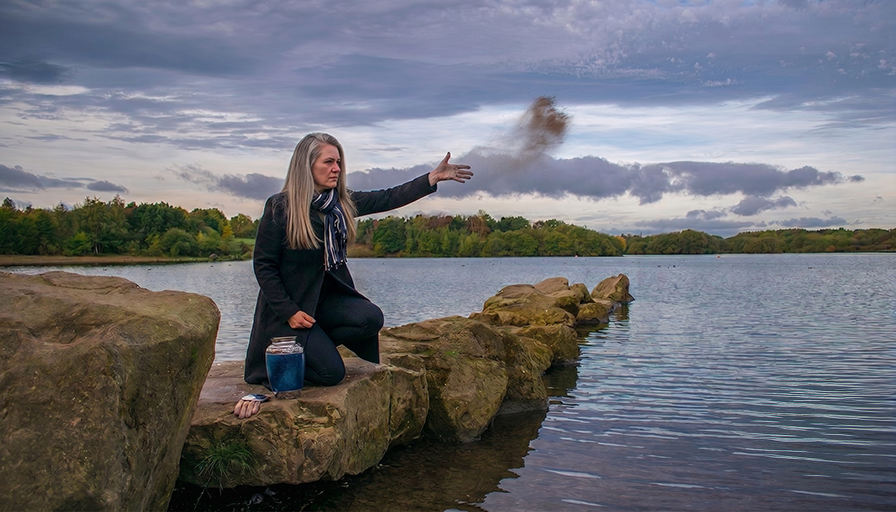
The purpose of a biodegradable urn is different from a metal, ceramic, wooden or stone urn. It is not usually meant to keep ashes permanently on display in the home. Instead, it supports a planned ceremony, such as natural burial, water placement, burial at sea or a scattering ritual.
For water placement or burial at sea, some biodegradable urns are designed to float briefly before sinking or dissolving. For natural burial, the urn may gradually decompose in soil. The exact process depends on the material, design and environment.
In the United States, rules may vary depending on the state, location and type of ceremony. Private land, public land, rivers, lakes, coastal waters, cemeteries and natural burial grounds may all have different requirements. Before burying, scattering or placing ashes in water, check local rules and ask the relevant cemetery, crematory, funeral home, natural burial ground, boat operator or service provider for guidance.
Best for: natural burial, water placement, burial at sea, eco-conscious memorials and planned scattering rituals.
Consider carefully: location rules, timing, storage before the ceremony and whether the urn is designed for soil, water, burial at sea or scattering.

Which urn materials are suitable for outdoor placement?
Outdoor placement places higher demands on an urn than indoor display. Rain, frost, wind, temperature changes, direct sunlight, damp ground and coastal salt air can all affect the material over time. For this reason, an urn should only be placed outside when the product is clearly described as suitable for outdoor use.
| Material | Outdoor suitability | Care point |
|---|---|---|
| Granite and natural stone | Often suitable for outdoor and cemetery settings when made for that purpose. | Heavy and stable, but check cleaning advice and external dimensions. |
| Bronze | Often suitable for garden memorials and outdoor sculptures. | Patina may change over time. Some finishes benefit from occasional care. |
| Stainless steel | Can be suitable when the urn is specifically made for outdoor use. | Check grade, finish and maintenance, especially near the sea or in humid regions. |
| Ceramic or porcelain | Only suitable if explicitly described as weather resistant or outdoor-suitable. | Frost, water absorption and impact risk are important. |
| Wood | Usually not suitable for long-term outdoor exposure unless specially treated and described for that use. | Sensitive to damp, rot, sunlight and temperature changes. |
| Glass | Usually not suitable for exposed outdoor placement. | Fragile and vulnerable to impact, frost and accidental damage. |
| Biodegradable materials | Suitable when the intention is natural return, burial, water placement, burial at sea or scattering. | Not designed to remain permanently intact outside. |
If you are looking specifically for an urn that can remain outside, view our collection of outdoor cremation urns for ashes. Product suitability is more important than material name alone.
What about resin, composite and sculptural urns?
Resin, composite and mixed-material urns can offer more design freedom than many traditional materials. They are often used for detailed shapes, symbolic figures, modern finishes, heart-shaped urns, angel designs, nature-inspired forms or sculptural memorial objects.
Because these materials vary widely, it is important to read the product description carefully. Some composite urns are strong and suitable for long-term indoor display. Others are more decorative and should be handled with extra care. Durability depends on wall thickness, weight, finish, closure and overall construction.
These urns may be a suitable choice when the family wants the memorial to express something specific, such as love, faith, protection, nature, companionship or a shared memory. They can also be useful when a traditional vase or box shape does not feel personal enough.
Best for: symbolic designs, sculptural forms, decorative indoor memorials and families who want something more personal than a standard urn shape.
Consider carefully: material quality, closure, stability, wall thickness and whether the urn is decorative or highly durable.
Are keepsake urns and cremation jewelry protective?
Keepsake urns and cremation jewelry are protective in a different way. They are not designed to hold all ashes. They are made to hold a small symbolic portion, often when the remaining ashes will be buried, scattered, kept in a larger urn or divided among several family members.
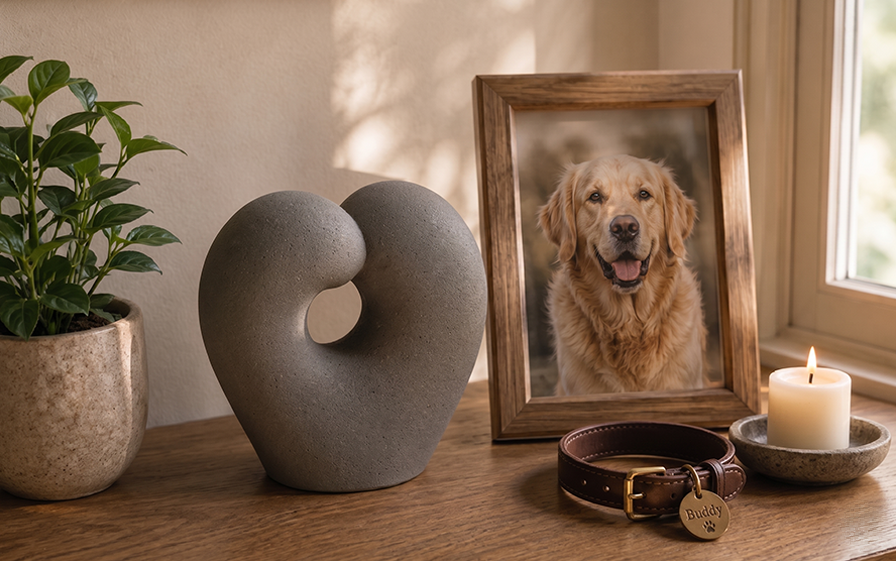
A keepsake urn may be made from metal, ceramic, glass, wood, stone or another material. Families often choose keepsakes when relatives live in different places or when several people want their own personal memorial. A keepsake can also sit beside a photograph, candle or other remembrance object.
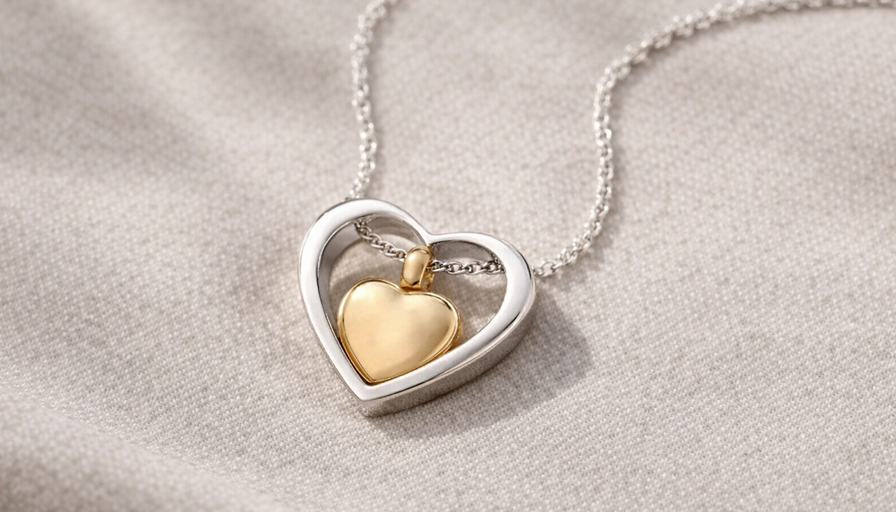
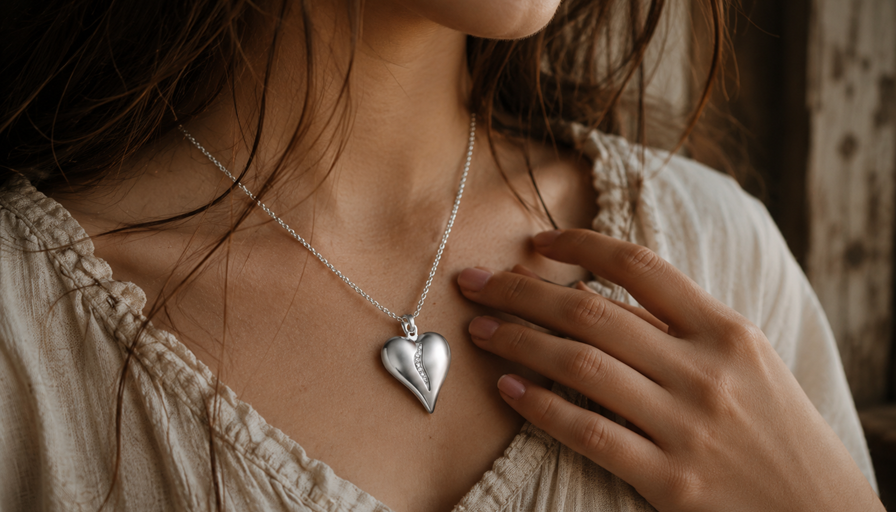
Cremation jewelry usually holds a very small amount of ashes inside a pendant, ring, bracelet charm, bead or discreet compartment. Materials may include stainless steel, sterling silver, gold, glass or other metals. The most important considerations are secure closure, comfort, skin sensitivity, wearability and whether the piece is suitable for daily or occasional use.
Best for: sharing ashes, keeping a small portion close, relatives in different locations and combining with burial or scattering.
Consider carefully: capacity, sealing, comfort, daily wear, material quality and whether professional filling is recommended.
Which urn material protects ashes best?
If protection is the main priority, metal, bronze, stainless steel, natural stone and well-constructed hardwood urns are often among the strongest choices. They generally resist everyday bumps better than glass or delicate ceramic. Metal urns often offer secure closures, while stone urns provide weight and stability. Hardwood urns can last for many years indoors when kept in suitable conditions.
However, material alone does not determine protection. A stable shape, secure lid, careful placement, correct capacity and suitable environment all matter. A fragile urn placed safely may protect ashes better than a durable urn used in the wrong setting. A metal urn may be strong, but it still needs the right finish for a humid or salty environment. A wooden urn may be long-lasting indoors, but less suitable in damp conditions.
Ceramic and porcelain urns can also preserve ashes very well when kept indoors and handled with care. Glass and crystal can be suitable for protected decorative memorials, but they require more careful placement. Biodegradable urns protect ashes for a specific purpose, not indefinite preservation, but respectful release into earth or water.
The most protective urn is therefore the one that fits the intended use.
How to choose the right urn material step by step
A calm, practical process can make the decision easier.
Decide what will happen to the ashes
Start by deciding whether the ashes will be kept, buried, scattered, divided, transported or placed in a niche. A display urn, burial urn, scattering tube, keepsake urn and jewelry piece each serve a different purpose.
Check the intended location
Indoor shelves, columbarium niches, cemetery burial plots, water settings and natural burial grounds all place different demands on the urn material. If the urn will be placed outside the home, always check the rules before ordering.
Think about handling
If the urn will be moved often, durability and secure closure become more important. If it will remain undisturbed in a quiet place, a more delicate material may be suitable.
Confirm the size
Adult urns, companion urns, keepsake urns, child urns and pet urns differ greatly in capacity. Use our urn size calculator and size guide or ask the funeral home, crematory or supplier to confirm the required capacity.
Consider the closure
Some urns have threaded lids. Others close with screws, stoppers, base plates or adhesive. If the urn will be transported, buried or handled by several people, the closure method is especially important.
Choose the appearance last
Color, shape, texture, symbolism and personalization matter deeply, but they should support the practical choice rather than override it. The right urn should feel meaningful and suitable.

Common mistakes when choosing urn materials
- Choosing only by appearance: a beautiful urn may not be suitable for burial, outdoor placement, water placement or frequent handling.
- Assuming every urn suits every setting: biodegradable, glass, wood, ceramic, bronze and stainless steel all have different uses and limits.
- Forgetting external dimensions: a columbarium niche or cemetery space may require a specific size.
- Overlooking capacity: check whether the urn is suitable for all ashes, a companion amount, a child, a pet or only a keepsake portion.
- Not checking the closure: ask how the urn closes and whether sealing is recommended for transport, burial or regular handling.
- Leaving rules too late: cemeteries, crematories, columbaria and natural burial grounds may have their own requirements.
Frequently asked questions about cremation urn materials
What is the best material for a cremation urn?
There is no single best material for every situation. Metal is often chosen for durability, ceramic for artistic expression, wood for a natural appearance, stone for stability, glass for decorative beauty and biodegradable materials for natural burial or water placement. The best choice depends on where the ashes will be kept and how the urn will be used.
What urn material is best for keeping ashes at home?
For home display, ceramic, porcelain, metal, wood, stone, glass and many sculptural urns can all be suitable. If the urn will be placed in a busy household, a stable metal, stone or wooden urn may be more practical than glass or delicate ceramic. If the urn will remain undisturbed in a protected place, more delicate materials may also be appropriate.
Are ceramic urns safe for ashes?
Yes, ceramic urns can be safe for ashes when they are made for cremated remains and kept indoors in a protected location. Because ceramic can break if dropped, the urn should be placed on a stable surface. A secure lid, inner coating or protective lining can provide added reassurance.
Are porcelain urns different from ceramic urns?
Porcelain is a refined type of ceramic material. Porcelain urns often feel smooth, delicate and elegant, while ceramic urns can include a wider range of handmade textures, glazes and artistic forms. Both are usually best kept indoors unless the product is specifically suitable for outdoor placement.
Are metal urns better than wooden urns?
Metal urns are usually more resistant to impact and often have secure closures. Wooden urns feel more natural and can last for many years indoors when properly made and cared for. Neither material is automatically better. Metal is often chosen for durability, while wood is often chosen for its crafted and familiar appearance.
Which urn material is best for burial?
The best urn material for burial depends on the rules of the cemetery or burial ground. Some cemeteries may require an urn vault. Others may allow durable materials such as metal, stone or hardwood. Natural burial grounds may require biodegradable materials. Always check the requirements before choosing an urn.
Which urn material is best for outdoor placement?
Granite, natural stone, bronze, stainless steel and selected outdoor-suitable ceramic urns are often considered for outdoor placement. The product must be clearly described as suitable for outside. Wood, glass and ordinary indoor ceramic urns are usually not suitable for long-term outdoor exposure.
Which urn material is best for water placement?
For water placement, burial at sea or water ceremonies, a biodegradable urn designed specifically for water is usually the most suitable choice. These urns may float briefly, sink or dissolve depending on the design. Always check local, state and federal rules before placing ashes in rivers, lakes, coastal waters or other public water settings.
Can ashes be divided between several urns?
Yes, ashes can be divided among several keepsake urns, cremation jewelry pieces or memorial objects if the family wishes. This is common when relatives live in different places or when part of the ashes will be scattered or buried while a small portion is kept close.
Do biodegradable urns preserve ashes permanently?
No. Biodegradable urns are designed to break down naturally over time or dissolve under suitable conditions. They are intended for natural burial, water placement or a planned return to earth or water. They are not usually meant for permanent preservation in the home.
Is glass suitable for cremated ashes?
Glass can be suitable when the urn or memorial object is designed for ashes and kept in a safe indoor location. It is best for families who value decorative symbolism and can place the urn where it will not be handled often. Glass is less suitable for busy households or frequent movement.
How do I know what size urn I need?
Urn size is based on capacity. Product pages should state whether the urn is suitable for an adult, companion, child, pet or keepsake portion. As a general guide, adult urn capacity is often related to body weight before cremation, but it is always best to check the product details, use our urn size guide or ask a funeral home, crematory or supplier.
A final thought on choosing the right urn material
Choosing an urn material is a practical decision with personal meaning. The material should protect the ashes, suit the intended place and feel appropriate to the memory it represents. A durable metal urn, a carefully made ceramic urn, a natural wooden urn, a substantial stone urn, a delicate glass memorial, a biodegradable urn or a small piece of cremation jewelry can each be right in different circumstances.
The clearest way to choose is to begin with the use. Will the ashes be kept, buried, scattered, shared, transported, placed outside, placed in a columbarium niche or worn in a small memorial piece? Once that is clear, the right material becomes much easier to identify.
You may also find our broader guide How to purchase an urn: what you need to know before you buy helpful if you are still comparing size, placement, filling, personalization and practical options.
If you are unsure which urn material is suitable for your situation, our team can help you compare the options carefully. We can guide you through capacity, closure, material, placement and personalization, so the final choice feels both secure and meaningful. Please feel free to contact us via the contact form.