What You Need to Know About Scattering Ashes at Sea in the USA
Scattering ashes at sea can be a peaceful and deeply personal way to say goodbye. For someone who loved the ocean, sailing, fishing, beach walks or the sound of waves, the sea may feel like a natural place of return and remembrance.
In the United States, scattering ashes at sea is possible, but there are important practical and legal points to understand before planning the ceremony. In general, cremated human remains must be placed in ocean waters at least three nautical miles from land, and the Environmental Protection Agency must be notified within 30 days after the event.
This guide explains how scattering ashes at sea works in the USA, how to plan a boat ceremony, what to know about shoreline memorials, when to use a scattering tube or biodegradable urn, what to ask the boat operator, and how to make the moment calm, respectful and personal.
Scattering ashes at sea in the USA: the key rules
In the United States, burial at sea and the release of cremated human remains in ocean waters are regulated under federal rules. For most families, the practical points to remember are:
- Cremated human remains may be placed in ocean waters, but generally at least three nautical miles from land.
- The EPA must be notified within 30 days after the burial at sea or release of cremated remains.
- In many cases, a separate prior EPA application is not required for cremated human remains under the general permit, but the post-event EPA notification is still required.
- Materials placed in the water should be readily decomposable in the marine environment.
- Plastic flowers, plastic wreaths, metal items and other non-decomposable materials should not be placed in the ocean.
- Pet ashes and other non-human remains are not covered by the same MPRSA general permit for burial at sea.
- Inland waters, such as lakes, rivers and bays, may be subject to state or local rules.
Important: rules can change and local circumstances can differ. Always check with the boat operator, funeral home, crematory, EPA guidance and relevant state or local authority before arranging the ceremony.
Is scattering ashes at sea the same as burial at sea?
In everyday language, people often say “scattering ashes at sea” when they mean releasing cremated remains over ocean water. The EPA also uses the broader term “burial at sea” for the placement of cremated and non-cremated human remains in ocean waters.
For families, the difference is usually practical:
| Option | What usually happens | What to check |
|---|---|---|
| Scattering ashes at sea | The ashes are released directly over the water, often from a boat. | Wind direction, distance from shore, EPA notification and whether a scattering tube would help. |
| Water placement with a biodegradable urn | The ashes are placed in a water-suitable biodegradable urn, which is released into the ocean. | Whether the urn is suitable for water, does not contain plastic and is accepted by the boat operator. |
| Full burial at sea | Non-cremated remains are placed in the ocean under specific federal requirements. | This is a different process with stricter requirements and should be arranged with professional guidance. |
This article focuses on cremated remains and ashes scattering, not full-body burial at sea.
Do you need a permit to scatter ashes at sea in the USA?
In many cases, a separate prior EPA application is not required for cremated human remains under the general permit, but the EPA must be notified within 30 days after the event. This is an important distinction: the ceremony may not require advance EPA approval, but it still needs to be reported afterward.
The notification is normally submitted to the EPA region from which the vessel carrying the remains departed. Many professional boat operators or burial at sea services are familiar with this process, but it is still wise to ask in advance who will handle the reporting.
Before booking, ask the boat operator:
- Do you conduct ash scattering or burial at sea ceremonies?
- Do you go at least three nautical miles offshore?
- Do you help with EPA notification after the ceremony?
- Will we receive confirmation or a copy for our records?
- Can we use a biodegradable urn or scattering tube?
- How many guests can come on board?
- What paperwork do you need from the family, funeral home or crematory?
- What happens if the weather is unsafe?
Who submits the EPA notification?
The EPA notification may be handled by the family, funeral home, crematory, boat operator or burial at sea service, depending on the arrangement. Before the ceremony, ask clearly who is responsible for submitting the report within 30 days.
If a professional service says they will handle the notification, ask whether you will receive a copy or confirmation for your records. This helps avoid uncertainty later and gives the family reassurance that the practical requirement has been completed.
Can ashes be scattered from the shoreline?
A beach can be used for a memorial gathering, but the actual release of cremated remains into ocean waters should usually be arranged offshore. For ocean scattering under the EPA’s federal burial at sea rules, cremated human remains must generally be placed in ocean waters at least three nautical miles from land.
This means a shoreline ceremony where ashes are released directly from the beach into the surf will often not meet the same federal ocean placement requirement. A good alternative is to hold a beach memorial before or after the boat ceremony. For example, family and friends may gather at a favorite beach, say a few words, place natural flowers on the sand, and then have a smaller group take the ashes out by boat.
If you are considering any form of shoreline, beach, river, lake or bay scattering, always check state and local rules first. Inland waters and coastal areas may have different requirements.
Scattering ashes from a boat
For many families in the USA, scattering ashes from a boat is the most practical way to meet the three nautical mile requirement and create a private, calm ceremony. A boat ceremony can be simple and quiet, or more structured with music, readings and flowers.
Benefits of a boat ceremony
- The boat can travel far enough offshore to meet the distance requirement.
- The ceremony can feel private and focused.
- There is usually more space and control than on a public beach.
- The captain can help choose a suitable location and safe conditions.
- Some providers are experienced with EPA notification.
Practical points to consider
- Check how many guests the boat can safely carry.
- Ask whether the boat has seating, shelter and a restroom.
- Choose a time of day with calmer conditions if possible.
- Consider seasickness, mobility and accessibility for older guests.
- Bring water, tissues and a small towel or wet wipes.
- Ask whether the boat operator allows flowers, petals or biodegradable urns.
Should you use a scattering tube or a biodegradable water urn?
You can scatter ashes at sea directly from the temporary cremation container, but this is not always easy. Wind, movement from the boat and emotion can make the moment more difficult than expected. A suitable scattering tube or biodegradable water urn can make the ceremony calmer and more controlled.
| Option | Best for | What to check |
|---|---|---|
| Scattering tube | Controlled scattering from a boat or at another permitted location. | Choose a size that holds the ashes and practise the opening movement before the ceremony. |
| Biodegradable urn | Water placement, when the urn is specifically suitable for water. | Check that it is water-suitable, plastic-free and accepted by the boat operator. |
| Temporary cremation container | Very simple ceremonies, if the family feels comfortable handling it. | Wind can make direct scattering difficult. A scattering tube is often easier. |
If you choose a biodegradable urn for water placement, make sure it is intended for water use. A biodegradable urn for earth burial is not automatically suitable for the ocean.
Can you use a regular urn at sea?
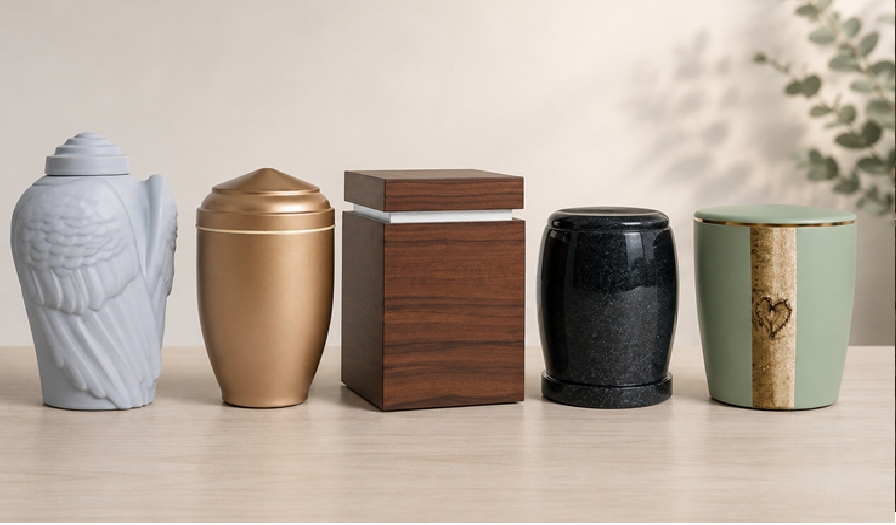
A lasting urn made from metal, ceramic, glass, stone or another durable material is usually not suitable for placing in the ocean. These materials may not break down and could contribute to marine debris or create environmental and navigational concerns.
If the ashes will be placed in the water inside a container, choose a product specifically described as suitable for water placement or burial at sea. The container should not contain plastic and should be able to degrade or dissolve in the marine environment in a suitable way.
Can flowers be scattered at sea?
Yes, flowers and petals can often be used as part of a sea ceremony, but they should be natural and readily decomposable. Avoid plastic flowers, synthetic wreaths, ribbons, wire, foam, glitter, balloons, lanterns and anything with metal or plastic parts.
Simple options include:
- Loose flower petals
- Single natural flowers
- Small natural wreaths without plastic or wire
- Floating flowers released after the ashes
Ask the boat operator before the ceremony. Some providers have their own rules about what may be placed in the water.
What about pet ashes?
Pet ashes are not covered by the same EPA MPRSA general permit for burial at sea that applies to human remains. This is an important difference. If you are planning a farewell for a dog, cat or another pet, do not assume the same rules apply.
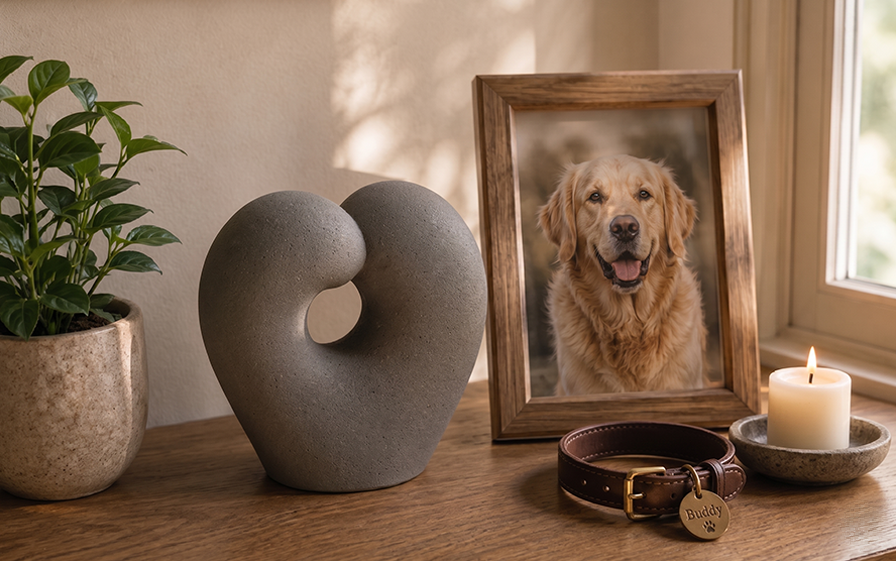
For pet ashes, check the relevant state, local and environmental rules, and ask the boat operator or service provider what is allowed. You can also view our collection of biodegradable pet urns if you are looking for a natural pet memorial option.
How to plan a scattering ashes at sea ceremony
A sea ceremony does not need to be elaborate. In many cases, a simple structure helps everyone feel prepared while leaving room for emotion.
Choose the right location
Choose a coastal area that feels meaningful, practical and safe. This may be near a favorite beach, harbor, fishing area, sailing route or family vacation place. Check whether the boat operator can reach a suitable offshore location.
Decide who should attend
Some ceremonies are very small, with only immediate family. Others include close friends or several generations. When choosing guests, consider boat capacity, mobility, seasickness and how private you want the moment to be.
Choose how the ashes will be released
You may use a scattering tube, a water-suitable biodegradable urn, or another approved container. Ask the boat operator what works best in their experience.
Prepare words, music or silence
You might read a poem, share memories, play a favorite song, say a prayer, observe silence or invite each person to say a few words. There is no required format.
Think about the wind
Wind direction matters. Ashes are very light and can blow back toward the boat if released against the wind. The captain or crew can usually help position the boat so the ashes are released safely and respectfully.
Decide what to do afterward
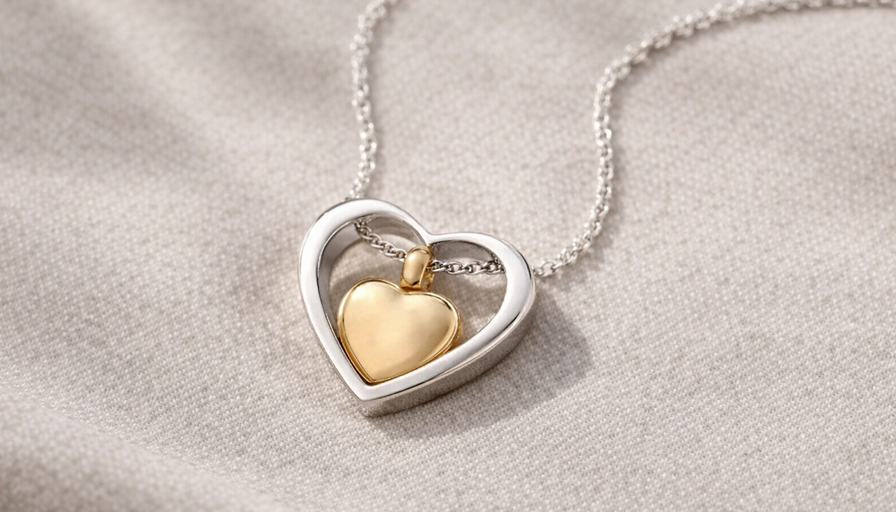
Some families return to shore quietly. Others gather for a meal, visit a favorite place, light a candle at home or keep a small amount of ashes in a keepsake urn or piece of cremation jewelry.
What should you bring on the boat?
It helps to prepare a small bag before the ceremony. Keep it simple and practical.
- The ashes in a secure container
- The scattering tube or biodegradable urn, if using one
- Any paperwork requested by the funeral home, crematory, boat operator or state/local authority
- Flowers or petals, if allowed
- Printed words, readings or poems
- A phone or speaker for music, if appropriate
- Water, tissues and wet wipes
- Motion sickness medication, if needed
- Warm layers, sunglasses or sun protection
- A small keepsake container if some ashes will be kept separately
Weather and safety considerations
The sea can change quickly. A calm, clear day is usually best, but the boat operator should make the final call about safety. Be prepared to reschedule if the weather is poor, the wind is too strong or the water is unsafe.
Consider the comfort of guests as well. People who are grieving may find rough seas, cold wind or motion sickness more difficult than expected. A shorter ceremony on calmer water is often more meaningful than a long ceremony in uncomfortable conditions.
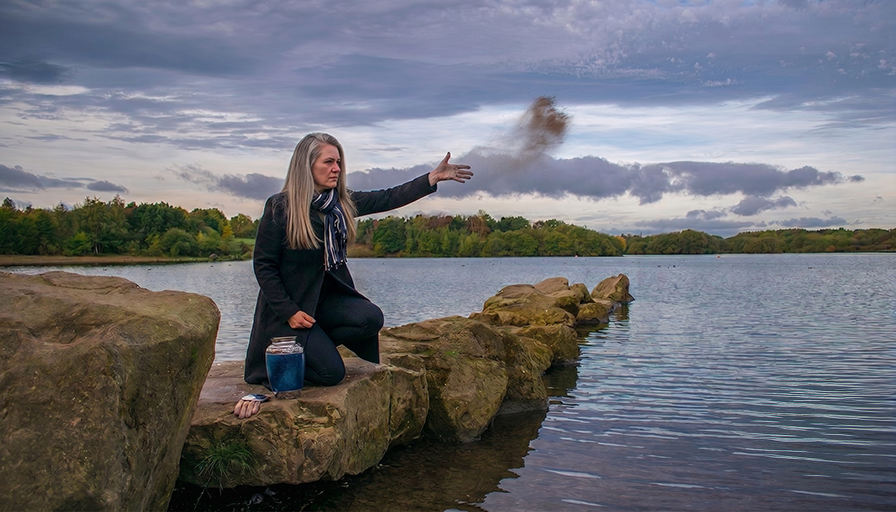
Can ashes be scattered in lakes, rivers or bays?
Scattering ashes in lakes, rivers, bays or other inland waters is different from scattering ashes in ocean waters. EPA’s burial at sea general permit applies to ocean waters. Inland waters may be governed by state or local rules, and some states may restrict or prohibit certain types of placement.
Before scattering ashes in a lake, river or bay, contact the state environmental agency, local authority, park authority, waterway manager or funeral professional for guidance. Do not assume that rules for the ocean apply to inland water.
Can ashes be scattered on the beach?
A beach can be a meaningful place to gather, but scattering ashes directly from the beach into the surf may not meet the federal ocean burial at sea requirement. If the intention is to place cremated human remains in ocean waters under the EPA general permit, the ashes generally need to be released at least three nautical miles from land.
A good alternative is to hold a small memorial on the beach and then arrange a boat ceremony offshore. Families sometimes bring flowers to the shoreline, say a few words, then allow a smaller group to accompany the ashes by boat.
Ideas for a meaningful sea scattering ceremony
There is no single correct way to hold a scattering ashes at sea ceremony. The most meaningful ceremonies often reflect the person who has died in small, personal details.
- Read a poem, prayer or short letter.
- Play a favorite song quietly.
- Invite each person to share one memory.
- Release natural flower petals after the ashes.
- Observe a minute of silence.
- Bring a small photo or personal object, but do not place non-decomposable items in the water.
- Return to a favorite restaurant, beach or family home afterward.
If the person who died loved fishing, sailing, surfing, diving, beach walks or marine life, you may want the words or music to reflect that connection. Keep the ceremony simple enough that it feels manageable on the day.
Can some ashes be kept before scattering the rest?
Yes. Many families keep a small amount of ashes before scattering the rest at sea. This can be helpful when several family members want a personal remembrance, or when one person wants to keep a small keepsake at home.
Options include:
- A keepsake urn
- A mini urn
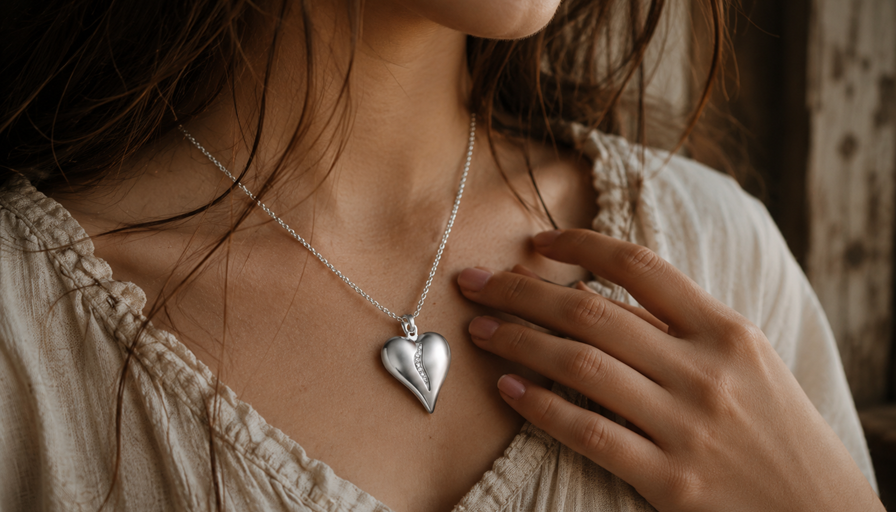
- A piece of cremation jewelry for ashes
- A small memorial box
- A family memorial with a photo, candle or flower
If you would like the ashes divided, ask the funeral home or crematory to help. This can feel easier and more respectful than doing it yourself.
Common mistakes to avoid
- Choosing the wrong location: check whether the ceremony must take place offshore and whether local rules apply.
- Ignoring wind direction: always release ashes with the wind, not against it.
- Using non-decomposable materials: avoid plastic flowers, ribbons, balloons, wire and metal objects.
- Using a regular urn in the ocean: choose a scattering tube or water-suitable biodegradable urn instead.
- Forgetting EPA notification: confirm who will report the burial at sea within 30 days.
- Planning too much: a simple ceremony is often easier and more meaningful.
- Not checking pet ash rules: pet ashes are not covered by the same federal general permit for human remains.
Frequently asked questions about scattering ashes at sea in the USA
Can you scatter ashes at sea in the United States?
Yes. Cremated human remains can be placed in ocean waters in the United States, provided the federal requirements are followed. In general, this means the ashes are released at least three nautical miles from land and the EPA is notified within 30 days after the event.
Do you need permission to scatter ashes at sea?
In many cases, a separate prior EPA application is not required for cremated human remains under the general permit, but the EPA must be notified within 30 days afterward. You should also check with the boat operator, funeral home, crematory and any relevant state or local authority.
How far offshore do you need to scatter ashes?
Cremated human remains are generally placed in ocean waters at least three nautical miles from land. A professional boat operator can help plan a suitable offshore location.
Who reports the scattering to the EPA?
The burial at sea or release of cremated remains must be reported to the EPA within 30 days. This may be handled by the family, funeral home, crematory, boat operator or burial at sea service, depending on the arrangement. Confirm this before the ceremony.
Can ashes be scattered from a beach?
A beach ceremony can be meaningful, but scattering directly from the shoreline may not meet the federal ocean placement requirement. If the ashes are to be placed in ocean waters under the EPA general permit, a boat ceremony at least three nautical miles offshore is usually the safer approach.
Can ashes be scattered in a lake or river?
Lake, river and bay scattering may be subject to state or local requirements. EPA’s burial at sea general permit applies to ocean waters, not inland waters. Check with the relevant state or local authority before scattering ashes in inland water.
Can you put flowers in the ocean with ashes?
Natural flowers and petals may be used, but avoid plastic, wire, ribbons, artificial flowers, balloons, lanterns and anything that could create marine debris. Ask the boat operator what is allowed.
Can you use a biodegradable urn at sea?
Yes, if the urn is specifically suitable for water placement or burial at sea. A biodegradable urn for earth burial is not automatically suitable for the ocean. Always check the product description.
Can every urn be used at sea?
No. Durable urns made from metal, glass, stone, ceramic or other lasting materials are usually not suitable for ocean placement. Use a scattering tube or water-suitable biodegradable urn instead.
Can pet ashes be scattered at sea?
Pet ashes are not covered by the same EPA MPRSA general permit for burial at sea that applies to human remains. Check state, local and service provider rules before planning a pet ash ceremony at sea.
What is the best time of year for scattering ashes at sea?
The best time depends on local weather, sea conditions and guest comfort. Calm weather is more important than the season. Ask the boat operator which months and times of day are usually safest and most comfortable.
Can I keep some ashes before scattering the rest?
Yes. Many families keep a small portion of ashes in a keepsake urn, mini urn or cremation jewelry before scattering the rest. Ask the funeral home or crematory to help divide the ashes if you prefer not to do this yourself.
Need help choosing a scattering urn or biodegradable urn?
Planning a scattering ashes at sea ceremony can raise practical questions. You may be comparing a scattering tube, a biodegradable water urn, a keepsake urn or a small piece of cremation jewelry for part of the ashes.
If you have questions about choosing a suitable scattering urn, biodegradable urn, keepsake urn or memorial jewelry, please contact legendURN. We will be happy to help you choose carefully and calmly.