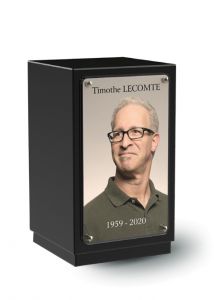
Natural stone cremation urns in marble, granite and alabaster
A natural stone cremation urn is often chosen for its weight, calm appearance and sense of permanence. Marble and granite are among the most popular choices because they feel solid, dignified and timeless. Each stone urn has its own natural veining, color pattern and mineral structure, which means no two urns are exactly the same.
For many families, this uniqueness is part of the comfort. A marble cremation urn may feel elegant and refined, while a granite cremation urn can feel strong, grounded and lasting. Alabaster and other natural stones offer softer, more delicate alternatives for those who prefer a gentle memorial at home.
When choosing from our collection of cremation urns, it is important to look at more than appearance alone. Consider the urn’s capacity, weight, finish, closure, where it will be placed and whether the specific product is suitable for indoor or outdoor use.
Good to know: natural stone is a durable material, but not every stone cremation urn is automatically suitable for outdoor placement. Always check the product description. Granite is often the most practical stone choice for outdoor use, while marble and alabaster are usually better suited to indoor or protected memorial spaces unless the product page states otherwise.
Why choose a stone cremation urn?
A stone cremation urn has a quiet and substantial presence. It does not need to be highly decorated to feel meaningful. The material itself often carries the memorial: the weight, veining, polish and natural color create a respectful resting place for a loved one’s ashes or cremated remains.
Families often choose stone cremation urns because they offer:
- a solid and weighty feel;
- natural veining and color variation;
- a timeless look that suits both classic and modern interiors;
- selected options for outdoor, garden, cemetery or memorial park placement;
- engraving or personalization possibilities on certain models;
- a sense of permanence and quiet strength.
Because stone cremation urns are usually heavier than ceramic, wood or many metal urns, they should be placed on a stable surface and handled with care.
Marble or granite cremation urn: what is the difference?
Marble and granite are both natural stones, but they have different qualities. Marble is often chosen for elegance, polish and natural veining. Granite is usually chosen for strength, density and outdoor suitability, provided the specific product is made for that purpose.
| Material |
Appearance |
Best suited for |
Important to know |
| Marble |
Elegant, polished and naturally veined. Each urn has a unique pattern. |
Indoor memorial spaces, mantels, cabinets and protected cemetery niches or columbarium niches. |
Marble is durable and beautiful, but it is usually best protected from harsh weather unless the product page confirms outdoor suitability. |
| Granite |
Dense, strong and often darker or more structured in appearance. |
Indoor placement, outdoor memorials, garden memorials, memorial parks and cemetery settings when the specific urn is suitable. |
Granite is often the best natural stone choice for outdoor use, but always check product suitability and cemetery requirements. |
| Alabaster |
Soft, warm and more delicate, with gentle natural markings. |
Indoor remembrance, protected shelves and quiet memorial spaces at home. |
Alabaster is generally more delicate than granite and is usually best kept indoors. |
| Other natural stone |
Can vary from subtle and pale to dark, textured or sculptural. |
Personal memorial choices where the shape, weight and finish match your wishes. |
Suitability depends on the exact stone type, finish and product design. |
Marble cremation urns
A marble cremation urn is often chosen for its refined, timeless appearance. The stone may have soft flowing veins, stronger contrasts or a calm, almost minimal look. Because the pattern is formed naturally, every marble urn is unique.
Marble cremation urns are especially suitable for families who want a dignified memorial at home. They can sit quietly in an interior without looking too decorative. Many marble urns are polished by hand, which gives the surface a smooth and elegant finish.
If you are considering marble for a cemetery niche, urn wall, mausoleum niche or columbarium niche, check the external dimensions carefully. If you are considering outdoor placement, always check whether the specific product is described as suitable for outdoor use.
Granite cremation urns
Granite is one of the strongest natural stones used for memorial products. It is dense, weighty and often selected when durability and outdoor suitability are important. A granite cremation urn can be a good choice for a garden memorial, cemetery setting, memorial park, urn wall or columbarium niche, provided the product is suitable for that location.
Granite usually has a more solid and grounded appearance than marble. Some families choose it because it feels strong and permanent. Others choose it because selected granite urns can be suitable for outdoor placement.
If you are specifically looking for an urn that can remain outdoors, you may also wish to view our outdoor cremation urns.
Alabaster and other natural stone cremation urns
Alabaster has a softer appearance than marble or granite. It is often chosen for warm tones, gentle veining and a more delicate character. An alabaster urn can be a beautiful choice for a peaceful memorial space at home.
Because alabaster is generally more delicate than granite, it is usually better suited to indoor placement. If you are considering a protected niche or another location outside the home, always check the individual product information first.
Are stone cremation urns suitable for indoor or outdoor use?
Some stone cremation urns are intended for indoor placement only, while others are suitable for outdoor use. The material gives an indication, but the final answer always depends on the exact product. The shape, closure, finish, construction and stone type all matter.
As a general guide:
- Marble cremation urns are often best for indoor placement, unless stated otherwise.
- Alabaster urns are usually best kept indoors or in a protected location.
- Granite cremation urns are often the strongest choice for outdoor placement, but only when the product page confirms suitability.
- Outdoor stone urns should stand on a stable surface and be checked from time to time.
If the urn will be kept outdoors permanently, choose a product that is clearly marked as weather-resistant or suitable for outdoor placement. Also consider rain, frost, drainage, direct sunlight, soil contact and whether the urn will stand in a sheltered or exposed position.
Weight and handling: practical points before you choose
Stone cremation urns are usually heavier than many other types of cremation urn. This is part of their appeal, but it also means you should think carefully about where the urn will be placed and how often it will be moved.
- Place the urn on a stable, level and strong surface.
- Avoid narrow shelves or edges where the urn could be knocked.
- Check whether the shelf, cabinet, niche or memorial base can carry the weight.
- Lift the urn carefully, preferably with two hands.
- Do not drag a polished stone urn across a delicate surface.
For a cemetery niche, mausoleum niche, urn wall or columbarium niche, external dimensions and weight can be just as important as internal capacity.
What size stone cremation urn do I need?
The size you need depends on whether the urn should hold all the ashes, a smaller portion, or cremated remains for two people. In the United States, cremation urn capacity is often listed in cubic inches. A common rule of thumb is to allow about one cubic inch of urn capacity for each pound of healthy body weight before cremation. This is only a guide, because the exact amount of cremated remains can vary.
Always check the capacity on the product page and compare it with the amount of ashes or cremated remains you expect to receive. If you are unsure, use our cremation urn size guide before choosing. This can help you avoid selecting an urn that is too small.
If you only wish to keep a small portion of ashes, a keepsake urn may be more suitable. If the urn is intended for two people, a larger companion cremation urn may be a better choice.
Can a stone cremation urn be placed in a cemetery or columbarium niche?
Stone cremation urns can be suitable for a cemetery, memorial park, family plot, cremation garden, mausoleum niche or columbarium niche, but the rules can vary. Before choosing an urn for one of these locations, contact the cemetery office, funeral home, crematory, memorial park or cemetery manager.
Important questions to ask include:
- What are the maximum external dimensions of the niche, burial space or urn vault?
- Is natural stone accepted?
- Is an urn vault or outer burial container required?
- Does the urn need to be sealed in a specific way?
- Is a stone urn allowed for outdoor placement or burial?
- Are there rules about visible inscriptions, symbols or colors?
- Will the urn be visible behind glass or placed in a closed niche?
If the urn is for a columbarium niche, mausoleum niche or urn wall, measure the external height, width and depth carefully. A beautiful urn still needs to fit safely and respectfully in the available space.
For more practical U.S. guidance, read our article Urns and ashes in cemeteries: what families in the United States need to know.
Can a stone cremation urn be engraved?
Some stone cremation urns can be engraved or personalized, depending on the material, shape and finish. A name, date, short message or symbol can make the urn more personal. Natural stone, including granite and marble, can often be engraved with a lasting result, but the possibilities vary by product. Read our guide Can an urn be personalized, customized or engraved? for more background, or contact us before ordering if personalization is important to you.
Because natural stone has veining and color variation, the final appearance of an engraving can differ slightly from one urn to another. This is part of working with a natural material.
How to care for a natural stone cremation urn
Natural stone is strong, but it still deserves careful treatment. Regular, gentle care will help preserve the appearance of the urn.
- Dust the urn with a soft, dry cloth.
- Use a slightly damp cloth for light cleaning if needed.
- Avoid acidic, abrasive or aggressive cleaning products.
- Do not use vinegar, bleach or strong household cleaners.
- Dry the urn after cleaning, especially around lids, seams or engraved areas.
- For outdoor urns, check occasionally for dirt, standing water or movement of the base.
For marble and alabaster, gentle cleaning is especially important. Granite is generally more resistant, but polished surfaces should still be treated with care.
Stone cremation urns compared with other urn materials
Natural stone is not the right choice for every family. Some people prefer the warmth of wood, the color of ceramic, the strength of metal or the lightness of a biodegradable urn. If you are still comparing options, our guide to urn materials can help you understand the differences between stone, wood, ceramic, metal, glass and biodegradable materials.
Choose stone if you are looking for a solid, natural and lasting memorial. Choose another material if you need something very light, easily portable or specifically designed for natural burial, water placement or scattering.
Frequently asked questions about stone cremation urns
What size stone cremation urn do I need?
In the United States, urn capacity is usually listed in cubic inches. As a general guide, allow about one cubic inch of capacity for each pound of healthy body weight before cremation. Always check the product capacity and ask the funeral home or crematory if you are unsure how much cremated remains you will receive.
Are granite urns suitable for outdoor use?
Some granite urns are suitable for outdoor use, but not all. Granite is often the most practical natural stone for outdoor placement, but the product page must confirm that the urn is weather-resistant or suitable for outdoor use.
Can marble cremation urns be placed outside?
Marble is durable, but many marble urns are best kept indoors or in a protected location. If you want a marble urn for outdoor placement, check the individual product information carefully.
Can a stone cremation urn be placed in a cemetery?
Often yes, but cemetery rules vary. Contact the cemetery office, funeral home, crematory or memorial park before choosing an urn. Ask about material, size, sealing, inscription rules and whether an urn vault or outer container is required.
Can a stone cremation urn be engraved?
Some stone cremation urns can be engraved with a name, date, symbol or short message. This depends on the material, shape and finish of the urn. Please check the product page or contact us before ordering if engraving is important to you.
Need help choosing a stone cremation urn?
Choosing a stone cremation urn is both a practical and emotional decision. You may be thinking about appearance, weight, size, where the urn will be kept, whether it should be engraved and whether it needs to be suitable for outdoor placement, cemetery placement or a columbarium niche.
If you have any questions about marble cremation urns, granite cremation urns, alabaster urns, urn capacity, outdoor suitability, engraving, cemetery rules or columbarium placement, please contact us. We will be happy to help you compare the options carefully and respectfully.

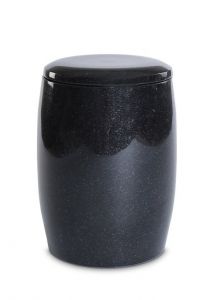 Nature stone funeral urn in different types of granite725.00 Duties, taxes &
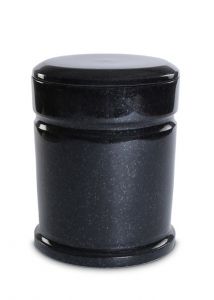 Nature stone urn for ashes in different types of granite833.00 Duties, taxes &
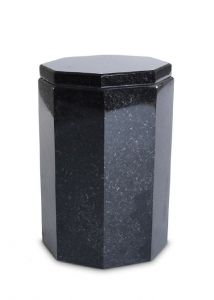 Nature stone funeral urn in different types of granite757.00 Duties, taxes &
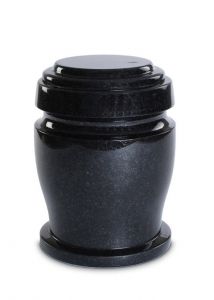 Nature stone funeral urn in different types of granite725.00 Duties, taxes &
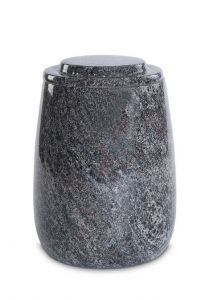 Nature stone funeral urn in different types of granite725.00 Duties, taxes &
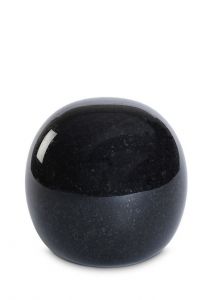 Nature stone funeral urn in different types of granite613.00 Duties, taxes &
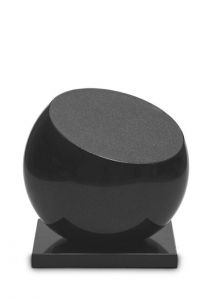 Nature stone funeral urn in different types of granite800.00 Duties, taxes &
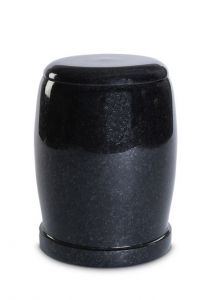 Nature stone funeral urn in different types of granite725.00 Duties, taxes &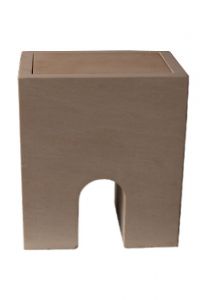
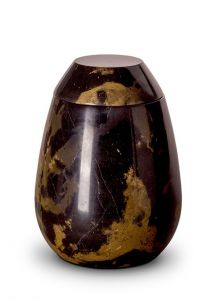
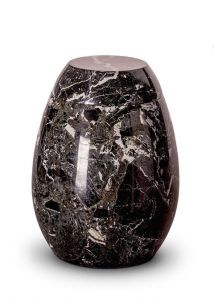 Marble funeral urn black and white for indoors586.00 Duties, taxes &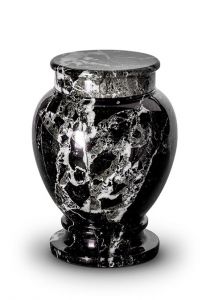
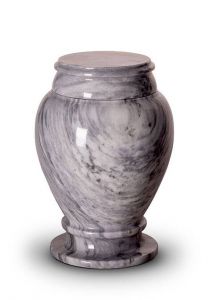
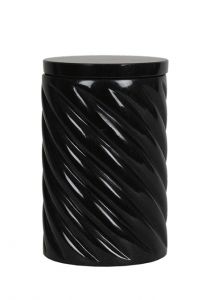
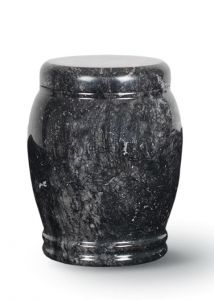 Albaster cremation ash urn 'Horus' for inhome649.00 Duties, taxes &
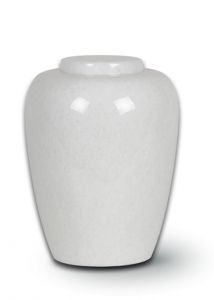 Albaster cremation ash urn 'Dorus' for inhome649.00 Duties, taxes &
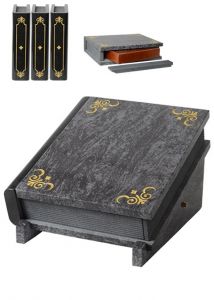 Granit cremation ash urn 'Poetry' with wooden box2,124.00 Duties, taxes &
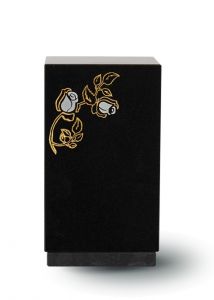 Granit cremation ash urn 'Rose' | weather resistant696.00 Duties, taxes &
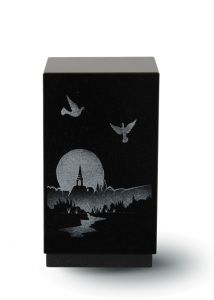 Granit cremation ash urn 'Night landscape' | weather resistant664.00 Duties, taxes &
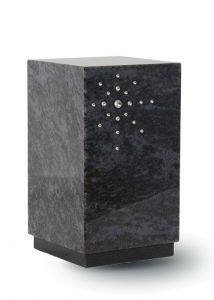 Granit cremation ash urn with Swarovski | weather resistant656.00 Duties, taxes &
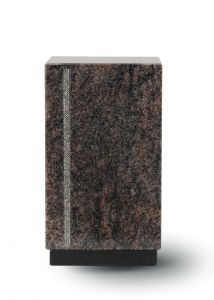 Granit cremation ash urn with rhinestones| weather resistant847.00 Duties, taxes &
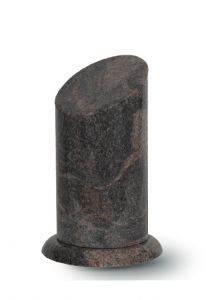 Granit cremation ash urn 'Column' | weather resistant797.00 Duties, taxes &
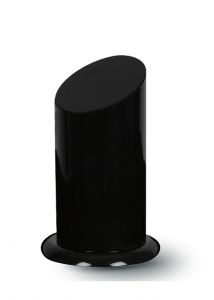 Granit cremation ash urn 'Column' black | weather resistant797.00 Duties, taxes &
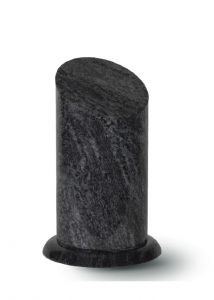 Granit cremation ash urn 'Column' blue | weather resistant797.00 Duties, taxes &
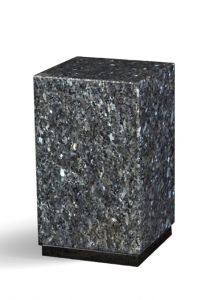 Granit cremation ash urn 'Blue Pearl' | weather resistant700.00 Duties, taxes &
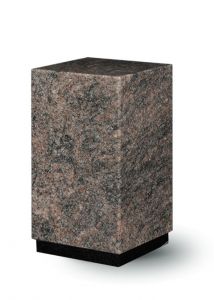 Granit cremation ash urn 'Himalaya Blue' | weather resistant700.00 Duties, taxes &
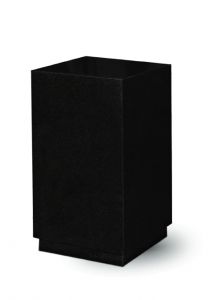 Granit cremation ash urn 'Marlin' | weather resistant700.00 Duties, taxes &
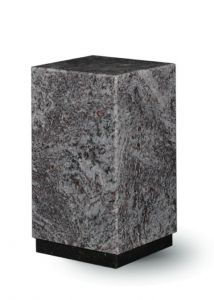 Granit cremation ash urn 'Mass Blue' | weather resistant700.00 Duties, taxes &
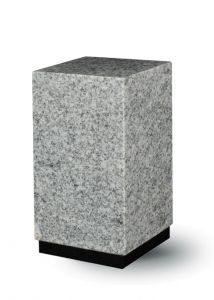 Granit cremation ash urn 'Tarn' | weather resistant700.00 Duties, taxes &
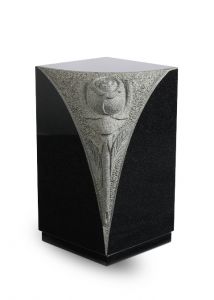 Granite cremation ashes urn with carved rose696.00 Duties, taxes &