What Happens to Jewelry During Cremation in the USA? What Families Should Know
Jewelry can carry meaning far beyond its material value. A wedding ring may represent decades of marriage. A necklace may have been worn every day. A small religious pendant may feel closely connected to a person’s identity, faith or sense of comfort. When a cremation is being arranged, many families naturally wonder whether these personal items can remain with their loved one and what will happen to them during the cremation process.
In the United States, the safest advice is to make a clear decision about jewelry before the casket or cremation container is transferred to the crematory. Some families choose to remove valuable or deeply sentimental items and keep them as heirlooms. Others feel that a particular ring, pendant or small personal object should remain with the person as part of the final farewell.
Both choices can be meaningful. What matters most is that the decision is made with a clear understanding of the practical consequences. Once jewelry has entered the cremation process, it may be damaged, altered beyond recognition or impossible to recover. Procedures can also vary by state, funeral home and crematory, so families should always ask in advance.

Can Jewelry Remain on the Body During Cremation in the United States?
In some cases, jewelry may remain with the person during cremation, but this depends on the crematory’s policy, the type of item, the cremation authorization and any safety restrictions. Families should never assume that jewelry can be recovered afterward.
In many U.S. funeral arrangements, jewelry, watches and other personal effects are removed before cremation and returned to the family when this has been arranged in advance. The funeral director will usually ask what should happen to rings, necklaces, earrings, watches and other personal items during the arrangement process.
This conversation is important. Once the casket or cremation container has been transferred to the crematory, it may no longer be possible to remove or recover jewelry. For that reason, any item with financial value, strong sentimental meaning or family significance should usually be removed beforehand unless the family is completely certain that it should remain.
Why Jewelry Is Usually Removed Before Cremation
There are several practical reasons why funeral homes and crematories often advise removing jewelry before cremation.
The first is damage. Cremation takes place at very high temperatures, and many jewelry materials cannot withstand that level of heat. Some metals may soften, bend, melt or fuse with other material. Gemstones may crack, discolor, loosen or break apart. Delicate chains, thin rings and fine settings are especially vulnerable.
The second is recoverability. Even when an item does not fully melt, it may not be returned in a recognizable or wearable condition. It can become mixed with other metal fragments, affected by the cremation chamber or separated during the later processing of cremated remains.
The third is regret. Families sometimes make decisions quickly during an emotional period and later wish they had kept a wedding ring, pendant or piece of family jewelry. Removing jewelry before cremation gives families the option to preserve it, wear it, display it or pass it on to another generation.
What Happens to Jewelry During Cremation?
Cremation temperatures in the United States commonly range from about 1,400 to 1,600°F, although some cremation chambers may operate at higher temperatures depending on the equipment, state requirements and the specific crematory process. These temperatures are high enough to reduce the body to bone fragments, but metals and gemstones behave differently depending on their composition, thickness and setting.
Jewelry does not simply disappear in a predictable way. Some pieces may melt. Others may distort, blacken, crack or remain partly intact. The result depends on the material, the design of the item and the exact conditions inside the cremation chamber.
What Happens to Gold Jewelry?
Gold jewelry may be damaged during cremation. Pure gold melts at approximately 1,948°F, but most gold jewelry is not pure gold. It is usually an alloy, mixed with metals such as copper, silver, nickel, palladium or zinc to make it stronger for everyday wear.
Because cremation temperatures can come close to the melting point of gold, and because alloys behave differently from pure metal, gold rings, chains and pendants may soften, warp, partially melt or lose their original shape. A thick wedding band may sometimes remain partly recognizable, while a thin chain or delicate setting may be far more severely damaged.
If a gold ring or necklace has strong sentimental or financial value, it is usually better to remove it before cremation.
What Happens to Silver Jewelry?
Silver is more vulnerable to cremation heat than many people realize. Pure silver melts at approximately 1,763°F, and sterling silver may behave differently because it contains other metals. Since cremation temperatures can reach this range, silver jewelry may become heavily distorted or melt.
Thin silver chains, small charms and delicate earrings are especially likely to be damaged. Even if a silver item survives in some form, it is unlikely to look the way it did before cremation.
What Happens to Platinum Jewelry?
Platinum has a much higher melting point than gold or silver, at approximately 3,214°F. This means platinum is less likely to melt during cremation. However, that does not mean it will remain unchanged.
A platinum ring may survive more visibly than a gold or silver ring, but it can still become discolored, marked, misshapen or affected by the cremation process. If the ring includes gemstones, those stones may be damaged or lost even if the metal itself remains.
Platinum may be more heat-resistant, but recovery is still not guaranteed.
What Happens to Titanium and Stainless Steel Jewelry?
Titanium and stainless steel are often used in modern jewelry because they are strong, durable and resistant to corrosion. Titanium has a high melting point, and stainless steel can also withstand high temperatures better than many softer jewelry metals.
Even so, it is still unwise to assume that these items will be returned in good condition. Rings, bracelets or pendants made from titanium or stainless steel may survive partly intact, but they may also discolor, distort or be separated as metal residue after cremation.
Material strength does not guarantee emotional preservation. If the item matters to the family, it should normally be removed beforehand.
What Happens to Gemstones and Diamonds?
Gemstones can be unpredictable in cremation conditions. Heat, pressure changes and exposure to oxygen can cause stones to crack, discolor, fracture or loosen from their settings.
Diamonds are often misunderstood. Although diamonds are extremely hard, hardness is not the same as heat resistance. Under extreme heat and oxygen exposure, diamonds can be damaged, oxidize, burn or become impossible to recover. Smaller diamonds may be especially difficult to find afterward.
Softer or more delicate stones, such as pearls, opals and emeralds, are particularly vulnerable. Pearls and opals contain organic or water-related structures that make them unsuitable for extreme heat. They are unlikely to survive cremation in a recognizable condition.
If gemstone jewelry is important, it should be removed before cremation.
Can a Wedding Ring Remain on During Cremation?
A wedding ring can sometimes remain with the person during cremation if the family chooses this and the crematory allows it. However, families should understand that the ring may be damaged, changed or impossible to recover afterward.
For many people, this decision is deeply emotional. A spouse may feel that the ring belongs with their husband, wife or partner. Others feel that keeping the ring allows the bond to continue in a different way, perhaps by wearing it on a chain, placing it in a memory box or passing it to a child or grandchild.
There is no single correct answer. The right decision depends on the family, the meaning of the ring and whether preserving the physical item matters.
A helpful question to ask is:
Does the meaning come from the ring remaining with the person, or from the ring continuing as a family keepsake?
Taking time to answer that question can help avoid regret later.

Can Jewelry Be Recovered After Cremation?
In the United States, families should not rely on jewelry being recovered after cremation. Crematory policies vary, and procedures can also differ by state and provider. If a family wants a specific item returned, that request should be discussed clearly with the funeral director before the cremation authorization is completed.
After cremation, any remaining metal may be separated from the cremated remains during processing. This can include casket hardware, surgical implants, dental metals and fragments of personal items. Depending on the crematory’s procedures, remaining metals may be recycled, disposed of or handled according to local policy and the authorization documents.
Even when metal remains are found, they may not be identifiable as a particular piece of jewelry. A ring may be warped or fused. A chain may have melted or broken apart. A gemstone may be missing. For valuable or irreplaceable items, removal before cremation is usually the safest choice.
Why Cremation Authorization Matters in the United States
In the United States, cremation usually requires written authorization before the process can take place. This authorization is typically completed by the person legally responsible for making funeral decisions, such as a spouse, adult child, appointed representative or next of kin, depending on state law.
This form is important because it may include decisions about personal belongings, jewelry, medical devices and other items that should either remain with the deceased or be removed before cremation. Families should read this paperwork carefully and make sure their wishes are clearly recorded.
If a wedding ring, necklace, pendant or other personal item is meant to be returned to the family, this should be stated before the cremation takes place. Verbal conversations are helpful, but written confirmation is safer. Funeral homes and crematories handle many details at once, and clear written instructions help prevent confusion during an already emotional time.
Because cremation laws and procedures can vary by state and provider, families should never assume that every crematory follows the same approach. Asking direct questions before signing the authorization form is one of the best ways to make sure personal items are handled according to the family’s wishes.
What About Watches, Smart Devices and Medical Jewelry?
Watches, smart watches, electronic jewelry, battery-operated items and similar devices should not remain with the person during cremation. Batteries and electronic components can create safety risks at high temperatures and may damage cremation equipment.
Medical alert jewelry should also usually be removed and returned to the family if it has personal or practical significance.
Implanted electronic medical devices, such as pacemakers and certain defibrillators, must be declared and handled before cremation by the appropriate professionals. Some implanted devices can be hazardous when exposed to cremation temperatures. Funeral directors and crematory staff are familiar with these requirements and will guide families through the necessary steps.
Can Jewelry Be Worn During a Viewing or Visitation?
In many cases, jewelry can still be part of the farewell without being cremated. A wedding ring, necklace, bracelet or religious pendant may be worn by the deceased during a viewing, visitation or funeral service and then removed before cremation. This can be a meaningful compromise for families who want the item to be present during the goodbye but do not want to risk losing or damaging it.
This option should be discussed with the funeral director as early as possible. The family can ask whether the jewelry can be placed on the person for the viewing and then returned before transfer to the crematory. If the funeral home agrees, the family should also ask when and by whom the item will be removed, and how it will be returned.
This can be especially helpful for wedding rings. Some spouses feel strongly that the ring should remain visible during the farewell. Others want to preserve the ring as a keepsake for themselves, a child or a grandchild. Allowing the ring to be worn during the service and removed before cremation can respect both emotional needs.
Why Families Choose to Leave Jewelry With a Loved One
For some families, leaving jewelry with the person feels emotionally right. The item may have been worn every day, given as a promise, connected to a marriage or linked to religious belief. Removing it can feel uncomfortable, even when the practical advice is to keep it.
This is especially true for wedding rings, religious pendants, rosaries, lockets or small keepsakes connected to family life.
These decisions are not only practical. They are symbolic. A family may feel that a certain object should accompany the person because it represents love, identity, protection or continuity.
That choice deserves respect. But it should be made with clear information. Once the cremation has taken place, the item may be gone forever or changed beyond recognition.
What Families Should Decide Before Cremation
Before the cremation takes place, it helps to make a clear list of personal items and decide what should happen to each one. This is especially useful when several family members are involved or when an item has shared emotional value.
Families may want to decide:
- Which pieces of jewelry should be removed and returned
- Whether a wedding ring should remain with the person or become a family keepsake
- Whether jewelry may be worn during a viewing or visitation and removed afterward
- Who should receive returned jewelry
- Whether any item has financial, sentimental or heirloom value
- Whether any watches, smart devices or battery-operated items need to be removed
- How these wishes should be recorded on the cremation authorization form
These decisions can feel difficult, especially when grief is fresh. However, making them before the cremation helps families avoid uncertainty later. Once the cremation has taken place, it may be impossible to recover jewelry in a recognizable or meaningful condition.
Questions to Ask the Funeral Director or Crematory
Before deciding what should happen to jewelry, it is wise to ask clear and specific questions. This can prevent misunderstanding at a time when families are already dealing with many practical and emotional decisions.
Useful questions include:
- Can this item remain with the person during cremation?
- Do you recommend removing jewelry before the casket or cremation container is transferred to the crematory?
- Can jewelry be worn for the viewing, visitation or service and removed before cremation?
- Will the casket or cremation container be opened once it has been received by the crematory?
- Is there any possibility of recovering jewelry after cremation?
- What happens to metal that remains after cremation?
- Are watches, batteries, smart devices or medical items prohibited?
- How should the family’s wishes be recorded on the cremation authorization form?
- Can jewelry or personal items be returned to the family before the cremation takes place?
The question about wearing jewelry for the viewing, visitation or service is particularly useful. In some arrangements, jewelry can be part of the farewell without being exposed to cremation. This allows the item to remain visually and emotionally present during the goodbye, while still being preserved for the family.
Common Misunderstandings About Jewelry and Cremation
“Gold always survives cremation.”
Not necessarily. Gold can soften, warp or partially melt, especially if the item is thin or made from an alloy.
“Diamonds are indestructible.”
Diamonds are extremely hard, but they are not immune to cremation heat. They can be damaged, burn, oxidize or become impossible to recover.
“The crematory will return jewelry automatically.”
Families should not assume this. Policies vary, and jewelry may not be recoverable once the casket or cremation container has been transferred to the crematory.
“If it does not melt, it will look the same.”
Even metals that survive cremation may be blackened, cracked, distorted or no longer wearable.
“A ring can always be removed later.”
In many cremation arrangements, once the remains have been transferred to the crematory, it may not be possible to retrieve jewelry. Decisions should be made before that point.
Alternative Ways to Honor Jewelry Without Cremating It
Families who feel uncertain often choose a middle path. Jewelry can still play an important role in the farewell without being cremated.
A wedding ring may be worn by the person during a viewing or visitation and then removed before cremation. A necklace may be placed near a photograph at the funeral or memorial service. A pendant may be displayed beside the urn afterward. A ring may be passed down as a family heirloom or worn on a chain by a spouse, child or grandchild.
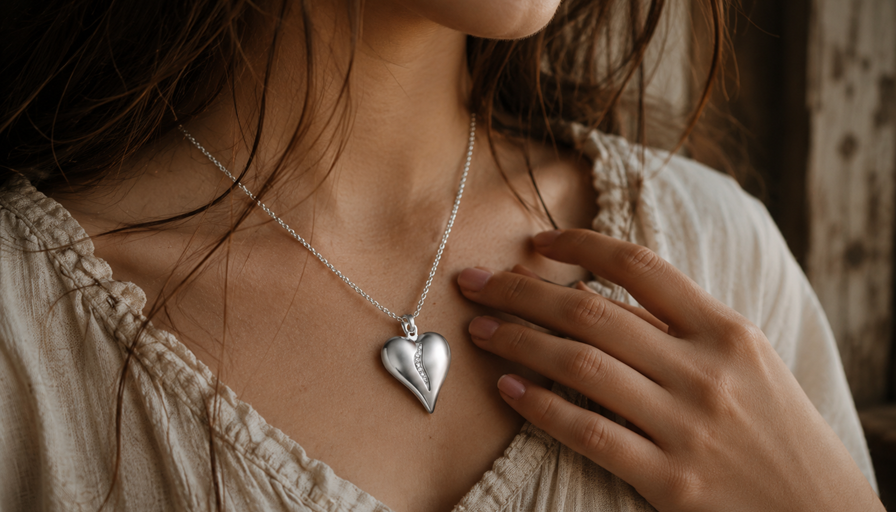
Other families choose memorial jewelry designed to hold a small amount of ashes. This can create a new keepsake while preserving the original jewelry separately. A personalized urn, small keepsake urn or memory box can also provide a place for both ashes and meaningful objects.
These options allow families to keep a physical connection without risking damage to an irreplaceable item.
Should Valuable Jewelry Be Removed Before Cremation?
In most cases, yes. Jewelry with financial value, family importance or strong personal meaning should usually be removed before cremation.
This does not make the farewell less meaningful. In many situations, keeping the jewelry allows the memory to continue in daily life. A ring can be worn. A pendant can be kept close. A family item can be passed on. A small object can remain part of a memorial display at home.
The most important point is that the decision should be conscious, documented and not assumed.
FAQ About Jewelry During Cremation in the USA
Can jewelry remain on during cremation in the United States?
Jewelry can sometimes remain on during cremation in the United States, but this depends on the crematory’s policy, the type of item, safety restrictions and the cremation authorization. Families should ask the funeral director before making a final decision, especially if the jewelry has financial, personal or family value. Once the casket or cremation container has been transferred to the crematory, it may no longer be possible to remove or recover the item.
Is jewelry usually removed before cremation?
Yes, jewelry is often removed before cremation and returned to the family, particularly when it has sentimental or financial value. Funeral directors usually discuss this with the family during the arrangements. Removing jewelry beforehand helps prevent damage, loss or regret afterward.
Can a wedding ring be cremated with someone?
A wedding ring may sometimes be cremated with someone if the family chooses this and the crematory allows it. However, the ring may warp, discolor, partially melt or become impossible to recover after cremation. If the ring is an important family keepsake, it is usually safer to remove it before the cremation.
Can jewelry be recovered after cremation?
Jewelry should not be expected to be recoverable after cremation. In many U.S. crematories, personal items cannot be retrieved once the cremation process has begun. Even if metal remains after cremation, it may be altered, mixed with other metal fragments or handled according to the crematory’s procedures.
What happens to gold during cremation?
Gold jewelry can soften, warp, partially melt or fuse with other material during cremation. Pure gold has a high melting point, but most gold jewelry is made from alloys that may react differently under extreme heat. Thin chains, delicate settings and lighter rings are more likely to be damaged than heavier pieces.
Do diamonds survive cremation?
Diamonds do not reliably survive cremation. Although diamonds are extremely hard, they can still be damaged by extreme heat and oxygen exposure. During cremation, diamonds may crack, burn, loosen from their setting or become impossible to recover.
Should watches be removed before cremation?
Yes, watches, smart watches and battery-operated items should be removed before cremation. Batteries and electronic components can create safety risks at high temperatures and may damage cremation equipment. Families should also mention any medical alert jewelry, smart devices or electronic items to the funeral director.
What should I do with jewelry I want to keep?
If you want to keep a piece of jewelry, tell the funeral director clearly before the cremation takes place. Valuable, meaningful or irreplaceable jewelry should usually be removed and returned to the family. It can then be worn, kept in a memory box, displayed beside the urn or passed on as a family keepsake.
Making a Thoughtful Decision
Choosing whether jewelry should remain with a loved one during cremation is rarely just a practical question. It can touch on marriage, faith, identity, family history and the private meaning of farewell.
For families in the United States, the most important advice is to decide early, ask clear questions and make sure the decision is recorded before the casket or cremation container is transferred to the crematory. Once that point has passed, jewelry may no longer be recoverable.
Some families find comfort in allowing a meaningful item to remain with the person. Others prefer to keep jewelry as a lasting keepsake that can be worn, displayed or passed on. Both choices can be respectful. What matters is that the decision is informed, deliberate and right for those left behind.
If you are considering memorial options after cremation, a personalized urn, keepsake urn or piece of cremation jewelry can provide another way to preserve a lasting connection while keeping original family jewelry safe.
Related articles, sources and further reading
The articles and sources below provide further background on cremation, jewelry, memorial options and cremation guidance in the United States.
Related articles
- FAQ About Buying Cremation Urns, Keepsake Urns and Companion Urns Helpful for families comparing urn sizes, materials, personalization options and memorial choices in the USA.
- Cremation Jewelry FAQ Answers common questions about cremation jewelry and memorial jewelry for families who want to keep a small amount of ashes close.
- Cremation Jewelry and Memorial Keepsakes Explains different keepsake options, including jewelry, small urns and other personal remembrance pieces.
Sources and further reading
- Cremation Association of North America: Cremation Process Useful background on the cremation process, temperature ranges, personal items and how metal may be separated from cremated remains.
- ICCFA: Preparation Required Prior to Cremation Explains why pacemakers and certain medical devices must be removed and why mementos such as jewelry should be removed if the family wishes to keep them.
- NFDA: Radiation Protection Guidelines Provides professional guidance on cremation safety, including implants, pacemakers and mechanical devices.
- FTC: The Funeral Rule Official consumer guidance on funeral rights, funeral goods, services and cremation-related arrangements in the United States.