What Funeral Homes in Texas Actually Do, and What Families Should Expect
When someone dies, families are often expected to make practical decisions at the exact moment when clear thinking feels hardest. That is one of the main reasons funeral homes play such an important role. In Texas, they do much more than arrange a ceremony. They help families navigate transportation, legal paperwork, scheduling, care of the deceased, burial or cremation arrangements, and the many decisions that follow in the first days after a loss.
For many people, the funeral process feels unfamiliar until they are suddenly in the middle of it. Questions come quickly. Who needs to be called first? What documents are required? How soon do decisions need to be made? What is included in the funeral home’s services, and what is optional? These are not small details. They shape the entire experience for the family.
Understanding what funeral homes in Texas actually do can make the process feel less overwhelming. It can also help families make steadier decisions, ask better questions, and choose services that truly fit their wishes, budget, and way of remembering someone.
What a funeral home in Texas actually handles
A funeral home is usually the main point of coordination after a death has occurred. In practical terms, that often begins with bringing the deceased into care, whether from a hospital, nursing facility, hospice setting, or private residence. From that moment on, the funeral home becomes the place where logistics, legal steps, planning, and family guidance come together.
Most funeral homes in Texas help with:
- bringing the deceased into care
- handling or guiding key documentation
- preparing the body for burial or cremation
- arranging a viewing, service, or memorial gathering
- coordinating with cemeteries, crematories, or other parties involved
What families often need most during this time is not simply a list of options. They need structure. A good funeral home helps put things in the right order. It explains what must be handled immediately, what can wait, which decisions are essential, and which ones are personal choices. That guidance can make an enormous difference when emotions are high and time feels compressed.
In Texas, funeral homes are licensed at the state level, and families have the right to receive clear pricing information before agreeing to services. Even so, the level of transparency can vary from one provider to another. That is why communication matters as much as cost.

Why funeral planning in Texas has its own practical realities
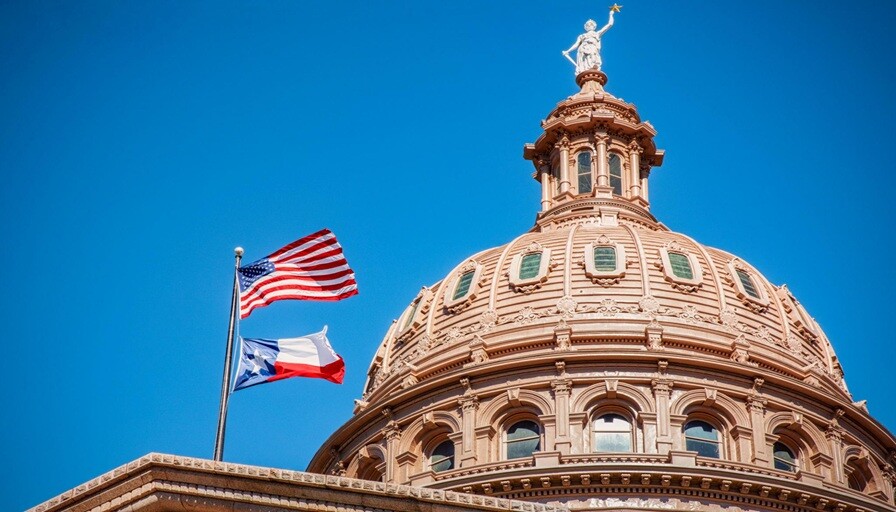
Texas is a large state, and that affects funeral planning more than many families expect. In one case, the place of death, the funeral home, the crematory, and the cemetery may all be relatively close together. In another, they may be spread across different towns or counties. Transport time, scheduling, and coordination can therefore play a bigger role than people initially assume.
Families in large cities such as Houston, Dallas, Austin, San Antonio, or Fort Worth may have more providers to choose from, but that does not automatically make the decision easier. Prices, service styles, and facility quality can vary widely. In smaller towns or more rural areas, choices may be fewer, which makes it even more important to find a provider that communicates clearly and handles arrangements with care.
Texas is also culturally diverse, and funeral homes are used to helping families with very different traditions and expectations. Some want a formal religious service with visitation and burial. Others prefer direct cremation followed by a private gathering later. Some families want something traditional and public, while others want something simple and quiet. A capable funeral home should be able to adapt to those differences without making the family feel pushed into a fixed package.
In larger metro areas, families may find more funeral homes, more service packages, and sometimes more competitive cremation pricing, but also greater variation in transparency and overall cost. In smaller towns or rural parts of Texas, the process may feel more personal and familiar, yet cremation can involve extra coordination if the crematory is not nearby. In practice, that means families in Texas often need to consider not only the funeral home itself, but also distance, transport, and how many third parties are involved in the arrangements.
One of the first choices, burial or cremation
One of the earliest decisions many families face is whether to choose burial or cremation. That choice affects the timing, paperwork, service format, and later memorial decisions.
Burial in Texas
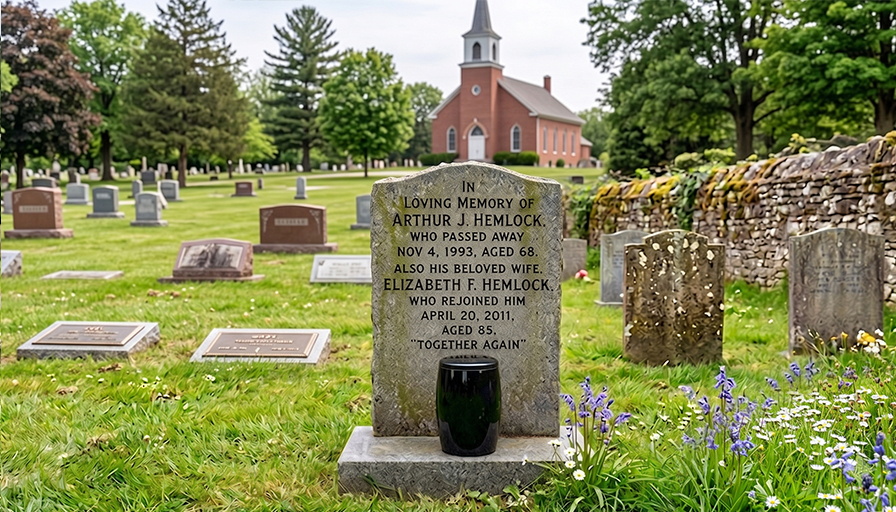
Burial arrangements often include transportation into care, preparation of the body, a casket, coordination with a cemetery, and some form of service before interment. For many families, burial feels familiar and tangible. It offers a permanent physical place to visit and may align more closely with religious traditions or long-standing family expectations.
Some families choose a viewing or visitation before the funeral service. Others prefer a graveside service only. In some cases, the ceremony takes place in a church or chapel first, followed by burial at the cemetery. The exact structure depends on the family’s wishes, timing, and budget.
Cremation in Texas
Cremation can be simple, or it can be combined with a full ceremony. Some families choose direct cremation with no formal service at the beginning. Others want a visitation, funeral, or farewell gathering before cremation takes place. Still others hold a memorial service afterward, once the ashes are returned.
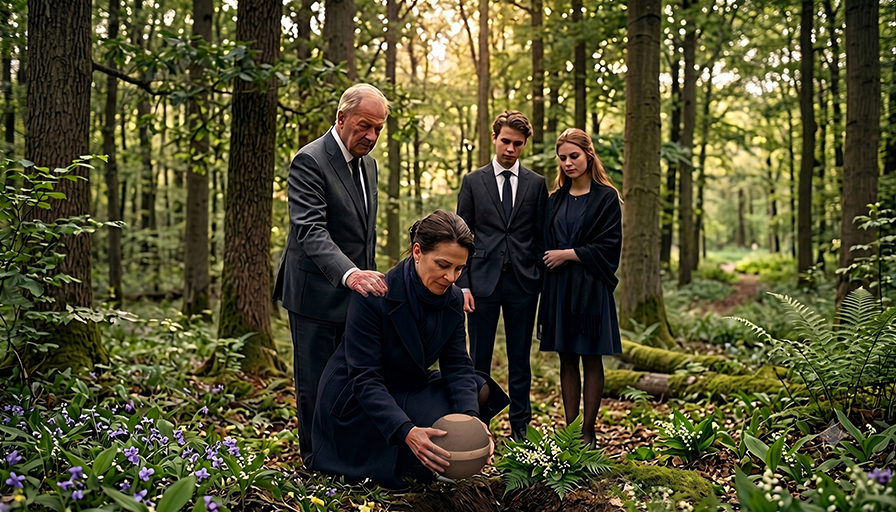
What makes cremation different is that the practical decisions do not end when the cremation itself is complete. Families still need to decide what will happen to the ashes. They may want to keep them in an urn, divide them among relatives, place them in a niche, bury them, or scatter them in a meaningful location where permitted.
That is why it helps to think one step beyond the immediate funeral arrangements. The real question is not only whether cremation is chosen, but also how the family wants to remember the person afterward.
How to choose the right funeral home in Texas
Choosing a funeral home is not only about proximity. It is also about whether the provider communicates clearly, explains services honestly, and offers arrangements that fit the family’s actual needs.
Some funeral homes focus heavily on direct cremation and simple planning. Others are better equipped for traditional funerals, religious services, large visitations, or customized memorial events. Some have on-site chapels, reception areas, or viewing rooms. Others coordinate most services through outside locations. None of these approaches is automatically better. What matters is whether the funeral home’s style matches the kind of farewell the family wants.
One of the strongest signs of quality is transparency. A reliable funeral home should be able to explain what is included, what is optional, what the likely timeline looks like, and how pricing is structured. Families should not be left trying to piece that together themselves.
A realistic example makes this clearer. A family in Austin needed to arrange a cremation within a short timeframe. One provider advertised a low starting price, but additional charges appeared later for transportation, paperwork, and scheduling. Another provider gave a fuller explanation from the beginning. The second option looked more expensive at first glance, but it was easier to understand and closer to the real total. In situations like that, clarity often matters more than the lowest headline number.
What funeral costs in Texas usually include
Funeral costs in Texas vary widely, depending on the type of arrangements chosen. A simple direct cremation generally costs far less than a traditional burial with a viewing, service, hearse, cemetery fees, and merchandise. Even so, the overall structure of funeral pricing is often similar across providers.
Funeral costs in Texas often include:
- a basic professional service fee
- transportation and transfer
- care or preparation of the deceased
- staff and facility use
- burial or cremation coordination
- optional items such as an urn, memorial stationery, or keepsakes
This is where families sometimes feel caught off guard. A funeral home may advertise an entry price, but that does not always reflect the final total once necessary services and chosen additions are included. The lowest advertised number is not always the most realistic number.
It also helps to know that families are not always required to buy memorial items directly from the funeral home. In many cases, cremation urns, keepsakes, and cremation jewelry can be purchased separately. That often gives families more freedom in style, symbolism, and price range.

When families usually start thinking about urns
Many people assume an urn is chosen only after cremation has taken place. In reality, it is often easier to think about that decision earlier, once the family has a clearer sense of what will happen to the ashes.
Families also often wonder what size urn they need. A commonly used guideline is that one pound of body weight before cremation equals about one cubic inch of ashes. In many adult cases, that means a full-size urn is often around 200 cubic inches, while smaller keepsake urns are intended for only a portion of the ashes. If there is any uncertainty, the funeral home or cremation provider can usually confirm what size is appropriate.
If the ashes will remain at home, the family may want a full-size urn that suits the space, feels appropriate in appearance, and offers lasting quality. If the ashes will be shared between relatives, keepsake urns or memorial jewelry may be more suitable. If the ashes will be scattered, a temporary container or purpose-made scattering urn may be the more practical choice.
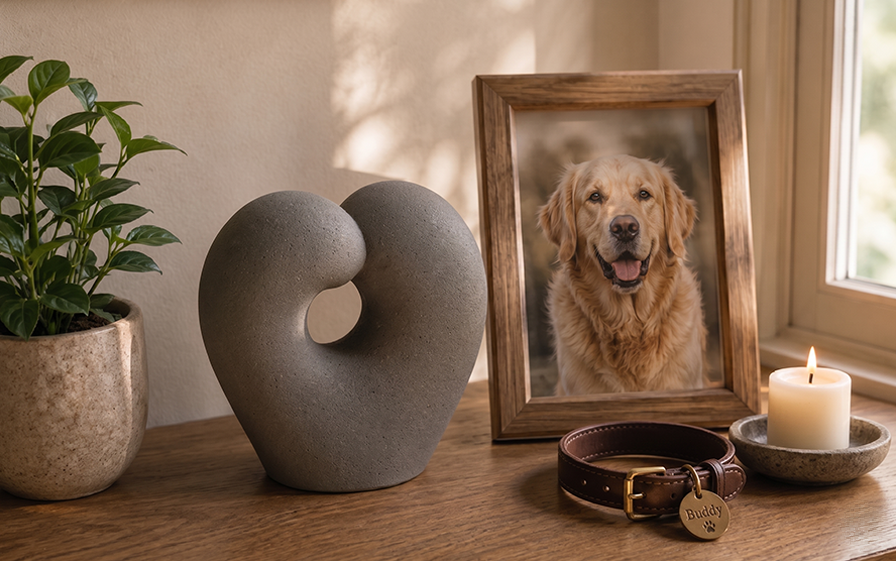
Thinking about this earlier helps avoid rushed decisions later. It also allows families to choose something that fits the intended use, rather than selecting purely on appearance under time pressure. For many people, the urn becomes part of daily remembrance. It is not simply a container. It becomes part of how someone’s presence is carried forward in the home, within the family, or during a meaningful ceremony.
This can matter even more when relatives live in different parts of Texas, or in different states altogether. Some families want one main urn and several smaller keepsakes. Others prefer one person to keep the ashes while other relatives receive a symbolic item or a small portion in jewelry. These are common choices, and they are easier to make when families start thinking about them before the last minute.
Ash scattering in Texas, what families should keep in mind
Texas generally offers families a fair amount of flexibility when it comes to ash scattering, but the location still matters. A place may feel emotionally significant without automatically being suitable from a practical or legal point of view.
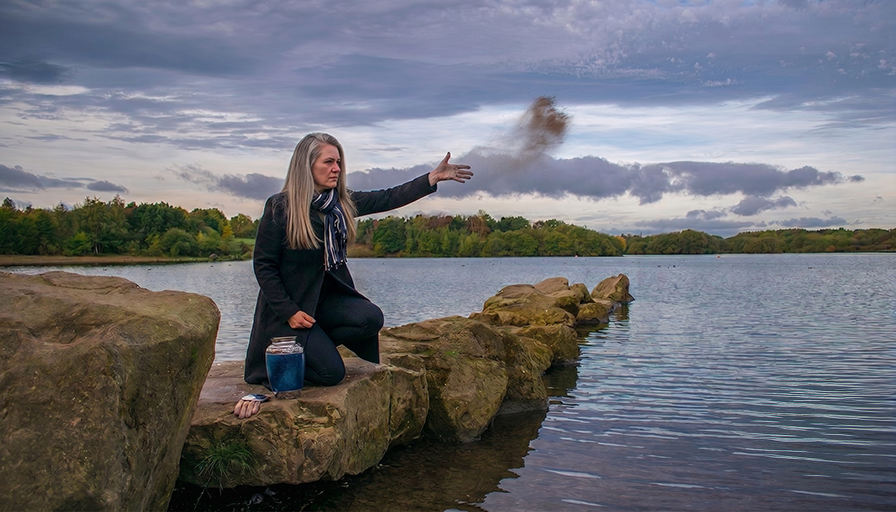
In many cases, ashes may be scattered on private property with permission. Public land may require approval, depending on the location and who manages it. Scattering over water may also be possible, but families still need to consider local rules, environmental guidelines, and the practical realities of the setting.
The practical side is often underestimated. Outdoor ash scattering can be affected by wind, access, privacy, terrain, and the number of people attending. A place that seems ideal in principle may require more planning than expected once the family considers how the moment will actually unfold.
That is why some families choose a scattering urn or scattering tube designed to open in a controlled way. These are made for ease of use rather than long-term display. In an outdoor setting, especially in open spaces or near the coast, that practicality can matter more than people first realize.

What to expect when speaking with a funeral director
For many families, the funeral director becomes the person who guides them from one step to the next. A good funeral director does not simply present choices. They help make the process manageable.
They will usually ask whether the family is considering burial or cremation, whether there will be a viewing or service, whether religious or cultural customs need to be taken into account, and what kind of budget expectations the family has. These questions are not unusual. They are part of understanding which options genuinely fit the situation.
Families should feel comfortable asking their own questions as well. A full written price list, an explanation of timing, guidance on what documents are needed, and confirmation of whether an outside urn can be supplied are all reasonable things to ask. In fact, the willingness to answer those questions clearly is often one of the best signs that a funeral home is organized and trustworthy.
Planning ahead versus making arrangements after a loss
Some families in Texas plan funerals in advance, while others make all decisions after a death has occurred. Both situations are common, but they feel very different in practice.
Pre-planning allows more time to compare providers, talk through preferences, understand costs, and think carefully about burial, cremation, service style, and the later handling of ashes. It can reduce pressure on relatives and make personal wishes easier to follow.
At-need planning happens under more time pressure. Decisions often need to be made quickly, while the family is also handling notifications, travel, emotions, and immediate practical concerns. In those situations, the value of a calm, transparent funeral home becomes even clearer. Families often do not need more options. They need better guidance.
Common mistakes families make when arranging a funeral in Texas
Most families are making funeral decisions at a difficult moment, so mistakes are understandable. Even so, certain problems come up again and again.
One common mistake is choosing the first provider available without asking even a few comparison questions. In an urgent situation, families often assume there is no time to compare. But even a short call with two or three funeral homes can reveal major differences in service style, transparency, and likely total cost.
Another mistake is focusing entirely on the service and leaving post-cremation decisions until later. Once cremation is complete, families still need to decide whether the ashes will be kept, buried, divided, or scattered. Thinking about that earlier often makes the overall process smoother.
A third mistake is assuming everything must be purchased through the funeral home. In reality, many memorial products can be chosen separately. That often gives families more room to find something that feels more personal and better suited to how they want to remember someone.
A practical timeline from death to final arrangements
Every case is different, but most families find the process easier to understand when it is viewed in stages.
Most arrangements move through these stages:
- initial contact and transportation into care
- the arrangement conversation with the family
- preparation, documentation, and scheduling
- the burial or cremation itself
- final decisions about ashes, memorial items, or scattering
This timeline helps families understand that not every decision must be made at once, even though the first days can feel intense. Some choices are immediate, while others become clearer once the service or cremation has taken place.
That final phase matters because remembrance rarely ends with the funeral itself. For many families, that is the point where the more personal decisions begin.
Funeral practices across Texas can look very different
There is no single way funerals are handled across Texas, because there is no single kind of Texas family. Some prefer formal religious ceremonies with a church service and cemetery burial. Others choose direct cremation and a quiet family gathering later. Some want a traditional public visitation. Others want privacy and simplicity.
The most helpful funeral homes understand that difference. They do not assume every family wants the same thing. They ask the right questions, explain the process without pressure, and make room for arrangements that feel appropriate to the person being remembered.
That ability to adapt is often more valuable than impressive facilities or polished marketing. At a difficult time, families usually remember clear communication and genuine steadiness more than anything else.
Frequently asked questions about funeral homes in Texas
How much does a funeral cost in Texas?
The cost depends heavily on the type of arrangements. A simple cremation is usually far less expensive than a full burial with viewing, service, and cemetery costs. Families should always ask for a detailed written price list.
Do I have to buy an urn from the funeral home?
No. Many families choose an urn separately, especially if they want more options in design, material, or symbolism.
How long does cremation usually take in Texas?
That depends on paperwork, authorizations, scheduling, and the provider involved. In many cases, it may take several days, though exact timing varies.
Is embalming required in Texas?
Not always. It depends on the arrangements chosen, whether there will be a viewing, and how much time passes before the service.
Can ashes be divided among family members?
Yes. Many families divide a small portion into keepsake urns or memorial jewelry, especially when relatives want a shared form of remembrance.
Can ashes be scattered in Texas?
In many situations, yes, but families should confirm whether permission is needed for the chosen location.
How do I know what urn size I need?
A commonly used guideline is that one pound of body weight before cremation equals about one cubic inch of ashes. In many adult cases, a full-size urn is around 200 cubic inches, while keepsake urns are meant for only a small portion. If you are uncertain about capacity, it helps to find out what size urn you should get before choosing the most suitable option.
Can I arrange a funeral online?
Some funeral homes offer online arrangement options, especially for direct cremation, but many families still prefer at least one phone call or in-person conversation.
Final thoughts
Funeral homes in Texas provide structure during one of the most difficult moments a family can face. They help with transportation, paperwork, care of the deceased, scheduling, burial or cremation arrangements, and the many decisions that need to be made in a short span of time. Just as importantly, a good funeral home helps families understand what truly needs attention now, and what deserves more thoughtful consideration.
For most families, the best experience does not come from choosing the cheapest advertised option or the most elaborate package. It comes from working with a provider that communicates clearly, explains costs honestly, and supports the kind of farewell that actually fits the person being remembered.
Where cremation is involved, it also helps to think ahead about what will happen after the ashes are returned. Whether the choice is a full-size urn, a keepsake urn, memorial jewelry, or scattering in a meaningful place, those decisions are usually easier when they are treated as part of the overall process rather than as an afterthought.