How Funeral Homes in Michigan Work, Costs, Cremation, and What Families Should Know
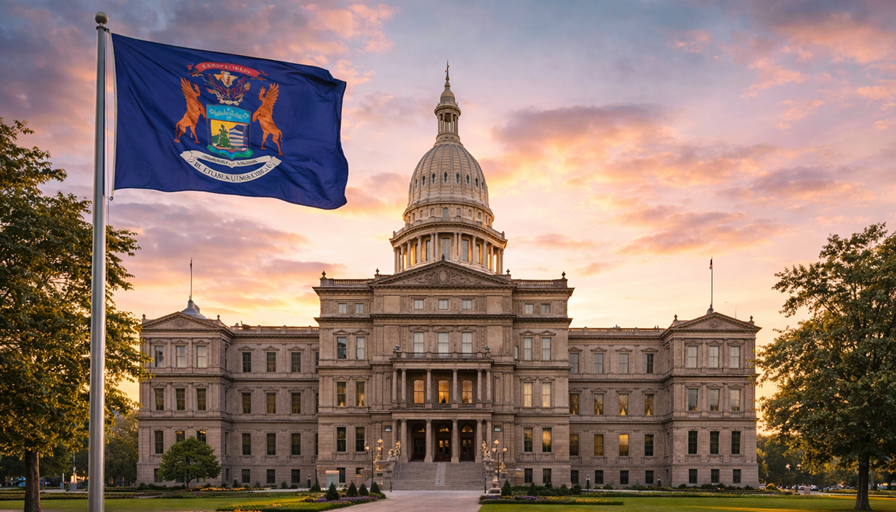
Funeral homes in Michigan do much more than arrange a service. They become the practical center of the process after a death, coordinating transportation, paperwork, preparation, scheduling, and communication so families are not trying to manage every step alone. In Michigan, funeral establishments and mortuary science professionals are licensed and regulated by the state through LARA, which gives families an important baseline of oversight, even though service style and pricing can still vary widely from one provider to another.
That is why choosing a funeral home is not just about location. It is about whether the provider can explain the process clearly, move efficiently, and help you make decisions in the right order. Some funeral homes in Michigan focus on traditional funerals with viewing and burial, while others are more centered on direct cremation, simpler services, or flexible memorial planning. The best ones make a difficult moment feel more manageable because they replace uncertainty with structure.

What to do first after a death
The first step is usually to choose the funeral home that will take responsibility for the arrangements. If the death happens in a hospital, hospice, or care facility, staff often help explain the immediate next steps. If it happens at home or under unexpected circumstances, there may be an additional medical or official step before the funeral home can take over. Either way, once the funeral home assumes responsibility, the process becomes much more orderly.
This early stage matters more in Michigan than many families realize. Timing affects transportation, the death certificate process, authorizations, and, in cremation cases, the ability to move forward without delay. That is why a good funeral director does not begin by selling products. They begin by getting the essentials in place.
Why timing matters in Michigan
Michigan has specific timing rules that make the early administrative steps especially important. LARA has explained that if a body will not reach its place of final disposition within 48 hours, embalming requirements and transport rules may become relevant, depending on the circumstances. LARA also notes that a funeral director has 72 hours after death, or the finding of a body, to obtain authorization for final disposition, and that once a funeral director agrees to provide services, final disposition is generally expected within 60 days, subject to listed exceptions.
For cremation, Michigan adds another important procedural step. Legislative materials tied to Michigan’s mortuary and public health rules state that when final disposition is by cremation, the county medical examiner where the death occurred signs the authorization for final disposition. In practice, this is one reason cremation can sometimes take longer than families expect, even when everyone involved is acting promptly.
Michigan is also moving toward faster death-record processing. In March 2026, Governor Whitmer announced that newly signed bipartisan legislation requires a death certificate to be filed within 48 hours through a secure web-based system, with the goal of reducing delays for families, physicians, and funeral directors. That is helpful progress, but in real-life situations families should still ask the funeral home directly how quickly the certificate, medical certification, and any cremation authorization can realistically be completed in their case.
What funeral homes in Michigan typically handle
A Michigan funeral home usually coordinates the transportation of the deceased, the care and preparation of the body, the filing of key documents, communication with cemeteries or crematories, and the planning of the service itself. Many also help with obituary notices, clergy or celebrant coordination, printed materials, and guidance on memorial items. The basic list can look similar from one provider to another, but the difference is often in how clearly each item is explained and how flexibly the funeral home works with the family.
That is why two funeral homes can appear comparable on the surface and still offer very different experiences. One may present only fixed packages. Another may walk you through each item one by one, explain what is necessary, what is optional, and where you have choices. For most families, the second approach is much easier to trust.
Burial or cremation, the first major decision
One of the earliest decisions is whether the arrangements will lead to burial or cremation. That choice shapes nearly everything else, including timing, cost, paperwork, service structure, and what happens afterward.
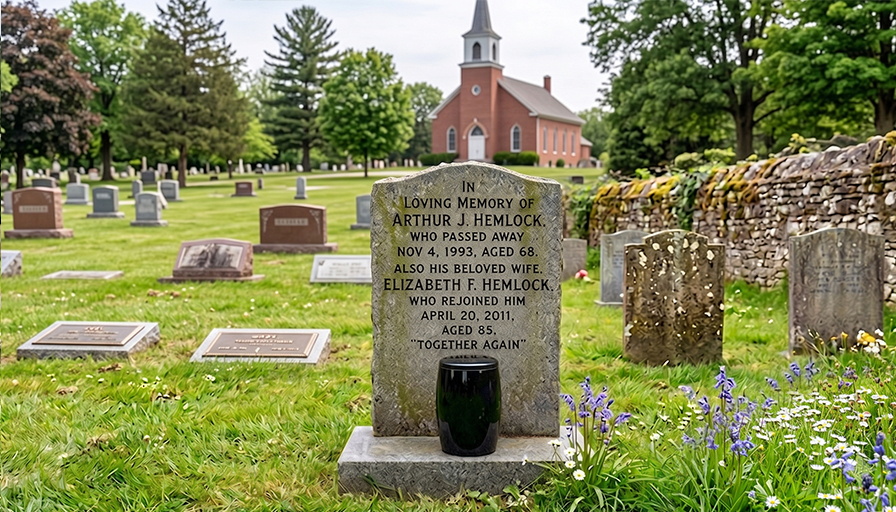
A traditional burial often includes a visitation or viewing, a formal ceremony, and a cemetery committal. It can provide a familiar structure, especially for families who want a gathering that follows a clear sequence from service to burial. For some people, the cemetery itself matters deeply because it becomes a lasting physical place to visit.
Cremation usually allows more flexibility. Some families hold a service before cremation. Others choose direct cremation first and schedule a memorial later, when relatives have had time to travel or when emotions are less compressed by immediate deadlines. In Michigan, this flexibility is one of the main reasons cremation continues to appeal to many families, but it works best when the funeral home explains the administrative timing honestly from the start.

Understanding funeral costs in Michigan
Funeral costs in Michigan can vary widely because the final price depends on the choices made. Direct cremation is often the simplest and least expensive route. A traditional burial usually costs more because it may involve body preparation, facilities, staffing, a casket, cemetery charges, and other service-related expenses.
The most important consumer protection here is the General Price List, usually called the GPL. Under the FTC Funeral Rule, funeral homes must give you a written, itemized GPL when you ask in person about funeral arrangements, and they must also provide price information by phone if you ask. They cannot force you into a package you do not want, and after arrangements are selected, they must give you a written statement showing exactly what you chose and what each item costs.
That matters because many families still assume they must buy everything from the funeral home. Legally, that is not the case. Under the Funeral Rule, you may provide an urn or casket purchased elsewhere, and the funeral provider cannot refuse to handle it or charge a fee simply because you bought it from another source. Funeral homes that offer cremation also have to tell consumers that alternative containers are available, because no state or local law requires a casket for cremation.
For families comparing providers in Michigan, this changes the conversation. Instead of asking only, “What does a funeral cost?” it is smarter to ask, “Can you walk me through the GPL line by line, tell me what is required, and show me where I still have choices?” That question usually reveals very quickly whether a funeral home is transparent or merely polished.
Direct cremation and delayed memorials
Direct cremation has become a practical option for many Michigan families because it separates the technical process from the emotional decision-making around the memorial itself. That can be especially valuable when relatives are spread across the state, across the country, or simply need more time before gathering.
A family might choose direct cremation, receive the ashes later, and then hold a memorial service in a church, a private home, a rented hall, or an outdoor setting that felt meaningful to the person who died. This is often a more personal approach than trying to force every decision into a narrow timeline. The key is not whether the arrangement is simple or elaborate. It is whether it reflects the family’s pace and priorities.
Planning for ashes and memorial options
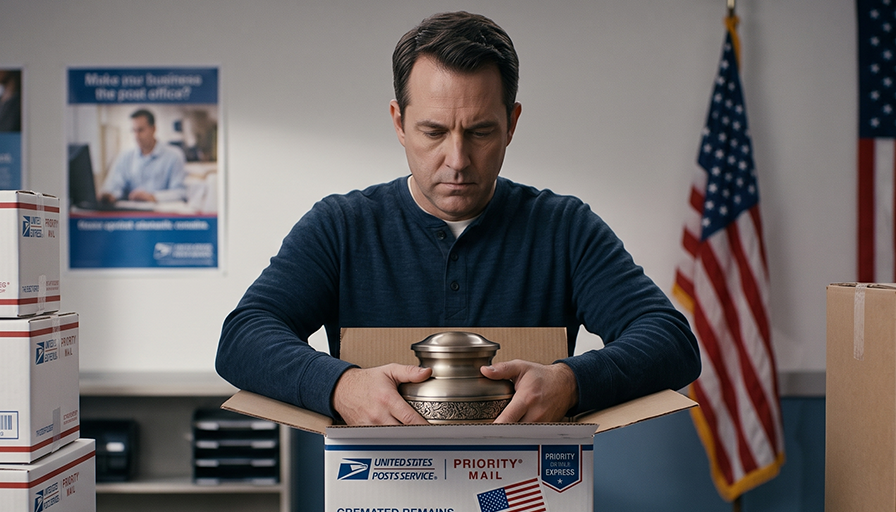
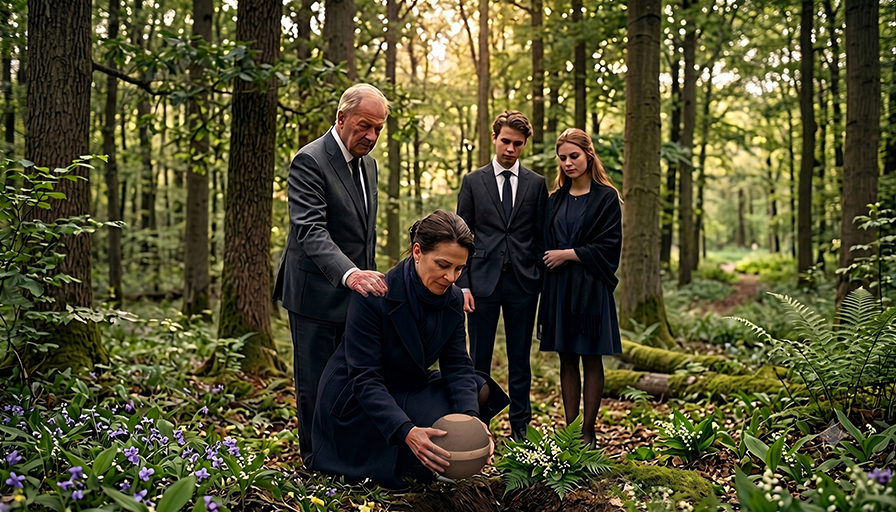
After cremation, many families discover that the next set of decisions feels more personal than logistical. Some want one permanent urn for home display or placement in a cemetery niche. Others want to divide ashes among family members. Some prefer a keepsake urn, memorial jewelry, or a combination of options so remembrance can take different forms for different people.
This is another place where a good funeral home should guide rather than steer. Their role is not to assume that one memorial choice fits every family. Their role is to explain what is practical, what is allowed, and what choices make the most sense based on whether ashes will be kept, shared, interred, or scattered.

Scattering ashes in Michigan
Michigan’s landscape naturally leads many families to think about lakes, rivers, wooded areas, and quiet outdoor places. That instinct is understandable, but this is one area where families should slow down and verify the rules before making plans.
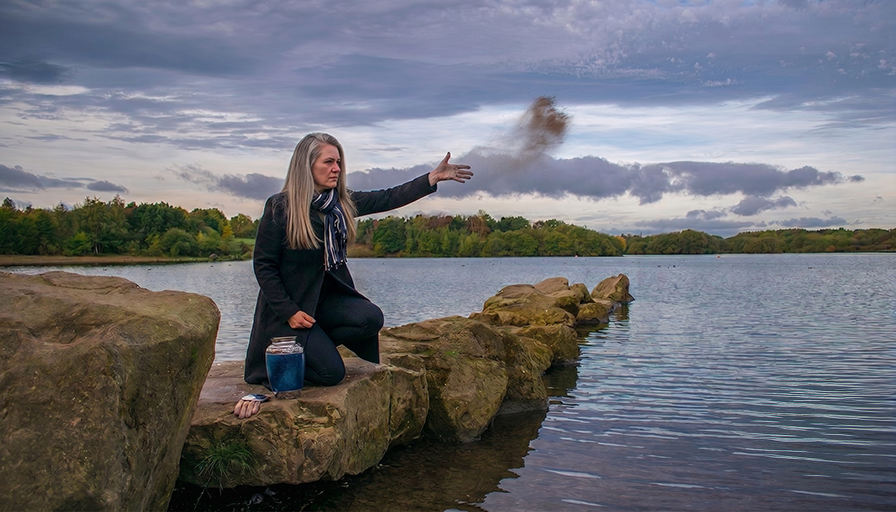
EPA guidance makes an important distinction here. Federal burial-at-sea rules apply to ocean waters, not to inland waters such as lakes and rivers. EPA specifically says that scattering cremated remains in inland waters is not regulated under the federal burial-at-sea permit system, but states may impose their own requirements, and families should check with the relevant state, local, or controlling authority first. For Michigan families, that means a place like a lake, river, park, or agency-managed land should never be treated as automatically permissible without checking the rules that apply to that specific location.
That practical caution is more useful than a broad yes-or-no answer. The legal question is rarely just “Can ashes be scattered in Michigan?” The better question is “Who controls this location, and what rules apply there?”
How to choose the right funeral home in Michigan
The right funeral home is usually the one that gives you clear answers before you have to ask the same question twice. It explains the order of events, the timeline, the documents, the pricing, and the options without pressure. It does not hide behind vague packages, and it does not make you feel that choosing a simpler arrangement means caring less.
A strong Michigan funeral home should be able to explain:
- How quickly the death certificate and authorizations can be completed
- Whether cremation timing may be affected by medical examiner approval
- What is included in the quoted price, and what is not
- Whether you can supply your own urn or memorial items
- What flexibility exists if you want a memorial later rather than immediately
When a provider answers those questions calmly and specifically, families usually feel the difference right away.
Common mistakes families make
One of the most common mistakes is choosing the nearest funeral home without comparing communication style or pricing clarity. Another is agreeing to arrangements before seeing the GPL in a way that makes the total cost easy to understand. A third is leaving decisions about ashes until the final moment, when people are tired and less able to think clearly.
None of these mistakes happen because families are careless. They happen because the process moves fast and because many people have never had to navigate it before. A well-run funeral home helps prevent those mistakes by slowing the right parts of the process down.
Frequently asked questions
Do I have to buy an urn from the funeral home?
No. Under the FTC Funeral Rule, you can buy an urn elsewhere, and the funeral provider cannot refuse to use it or charge a separate handling fee simply because it came from another seller.
Can a funeral home give me prices over the phone?
Yes. The FTC says funeral directors must provide price information by phone if you ask.
Is embalming always required in Michigan?
No, not always. But Michigan timing and transport rules can make embalming relevant in some situations, especially if the body will not reach final disposition within the applicable timeframe.
Why can cremation take longer than expected?
Because cremation is not only a scheduling issue. In Michigan it can also depend on medical certification, death-record processing, and the required authorization for final disposition, including medical examiner involvement.
Can ashes be scattered in a Michigan lake?
Do not assume yes without checking. EPA says inland waters are outside the federal burial-at-sea permit system, but state or local requirements may still apply, so families should verify the rules for the exact location first.
Final thoughts
Funeral homes in Michigan are not all the same, even though they may offer similar services on paper. The real difference is usually in clarity, timing, and the quality of guidance. When a funeral home explains the process well, you are far more likely to make decisions that fit your family, your budget, and the kind of farewell you actually want.
For Michigan families, the most helpful starting point is simple: choose a funeral home that can explain the paperwork, the timeline, the pricing, and the cremation or burial process in plain language. In a moment that already feels heavy, clear guidance is not a luxury. It is part of good care.
If you feel certain information is missing or you have questions after reading this post, Please feel free to contact us via the contact form.