History and Traditions

Understanding Funeral Homes in Florida: Services, Planning, and Cremation
When someone passes away, families are often faced with urgent decisions at a time when everything feels uncertain. In Florida, funeral homes help guide this process by handling transportation, paperwork, and arrangements for cremation or burial. Understanding how funeral homes work, what they are responsible for, and which decisions can be made later can help families approach this difficult period with more clarity and confidence.
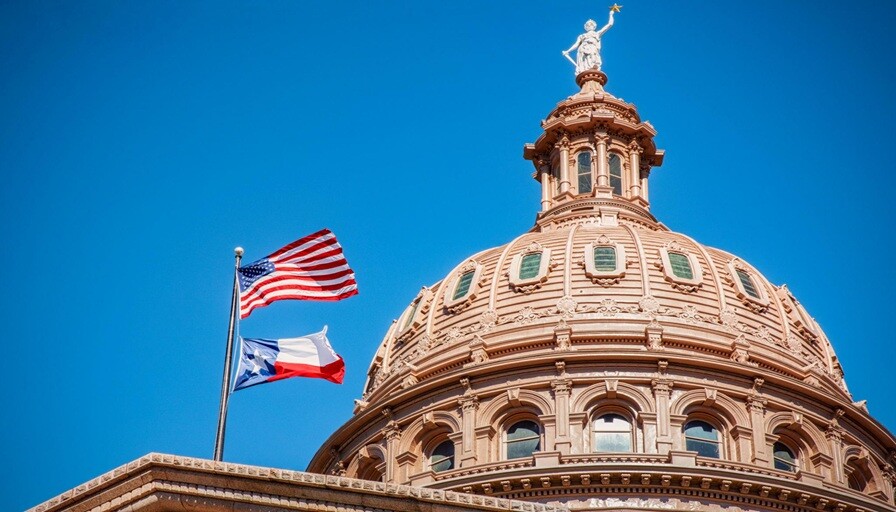
Funeral Homes in Texas, What They Really Do and What Families Need to Know
When a death occurs, families are often expected to make urgent decisions before they have had time to process what has happened. In Texas, funeral homes play a central role in that first difficult period. They do not only arrange a burial or cremation. They help with transportation, documentation, preparation, scheduling, and the practical steps that guide a family from the moment of loss to the final arrangements. Understanding how funeral homes in Texas actually work can make the process feel less uncertain and help families make clearer, more informed decisions at a time when everything may feel overwhelming.
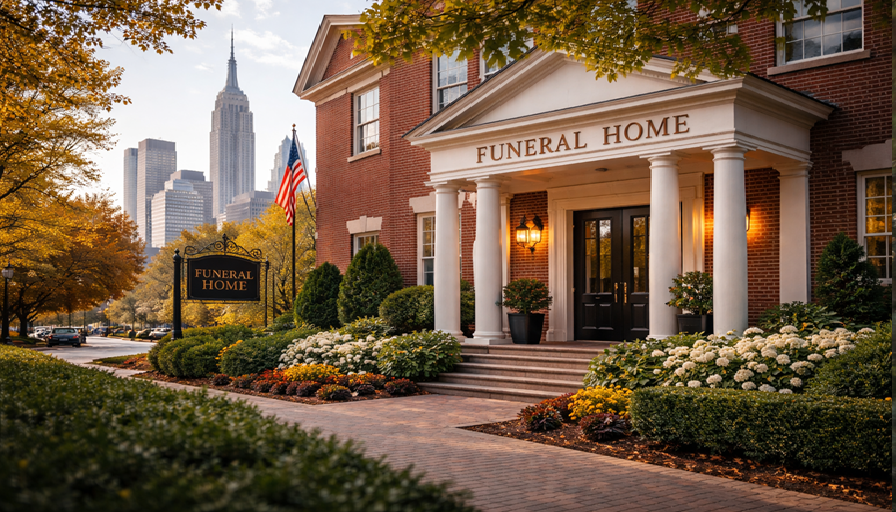
What Families Need to Know About Funeral Homes in New York
Arranging a funeral in New York can feel unfamiliar even for families who think they understand the basics. Between legal paperwork, transportation, cremation approvals, service planning, and cost decisions, the process often involves much more than people expect at first. That is especially true for relatives trying to make arrangements quickly, or for families in the United Kingdom who are not used to how funeral homes operate in the United States.

Funeral Director vs. Mortician: Who Does What When Someone Dies?
In the first hours after a death, families are often forced to make decisions while still trying to process what just happened. That is when unfamiliar titles suddenly appear, funeral director, mortician, sometimes even “undertaker”, and the difference is not always clear. This guide explains who typically handles the planning, paperwork, and support for the family, and who focuses on the practical care of the deceased behind the scenes, so you know what to expect and which questions to ask when it matters most.
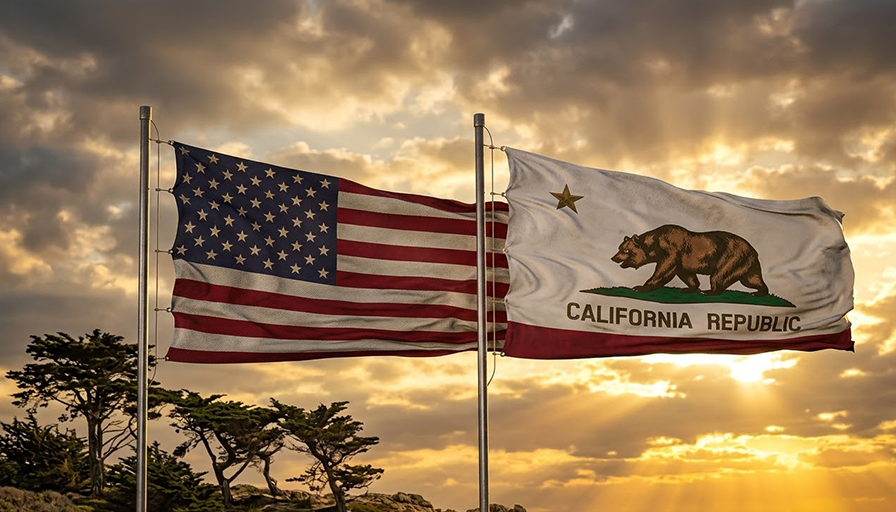
How Funeral Homes Work in California: A Practical Guide for Families
When a loved one passes away, one of the first questions families face is what happens next and who will guide the process. In California, funeral homes play a central role in managing the practical steps, from transportation and documentation to cremation or burial arrangements. Understanding what a funeral home does, what decisions need to be made immediately, and which choices can wait can help families feel more in control during an emotional and often overwhelming time.

When the Road Falls Silent - Funeral Processions Explained
You notice it in a split second, a line of cars moving more slowly than the rest of traffic, headlights glowing in daylight, no horns, no haste. A funeral procession turns an ordinary road into a moment of shared pause. For grieving families, it is a final journey made together. For everyone else, it is a quiet invitation to slow down, show patience, and acknowledge a life being honored.

12 Important Considerations for Pet Memorials
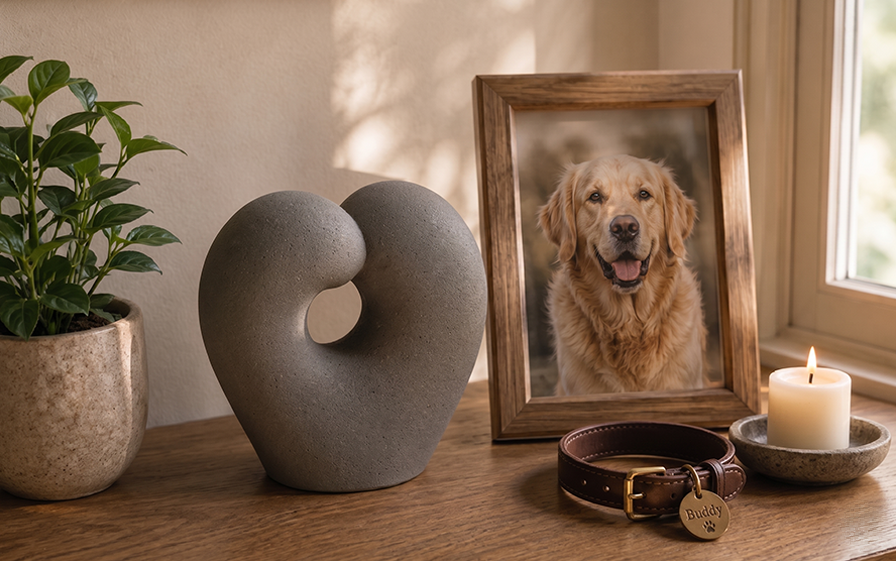
Choosing a pet memorial is rarely a simple purchase. It often happens during an emotional period, when families are also dealing with cremation arrangements, ash return, and the question of what kind of remembrance feels right. A pet urn, keepsake, or photo memorial should not only reflect the bond you shared, but also suit your home, your practical needs, and your long-term wishes. These 12 important considerations will help you make a calm, informed, and meaningful decision.

Can Ashes Be Shared? A Guide to Multiple Cremation Urns
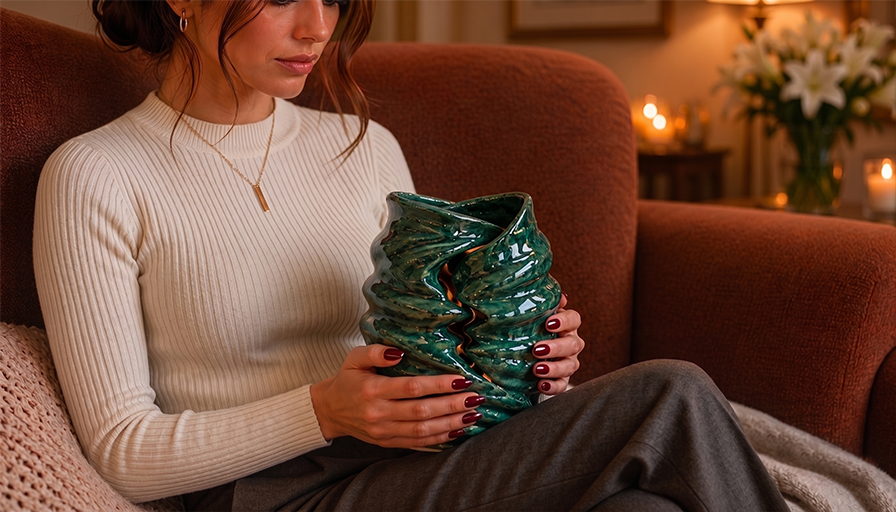
When a family chooses cremation, one of the most immediate questions is what to do with the ashes. For many families in both the United Kingdom and the United States, the answer is not a single urn in one place, but several urns shared among relatives. Multiple urns allow different people to remember, honour, and care for ashes in ways that fit their lives, beliefs, and circumstances. This article explains how sharing ashes works in practice, what types of urns are available, and how families typically make these decisions.
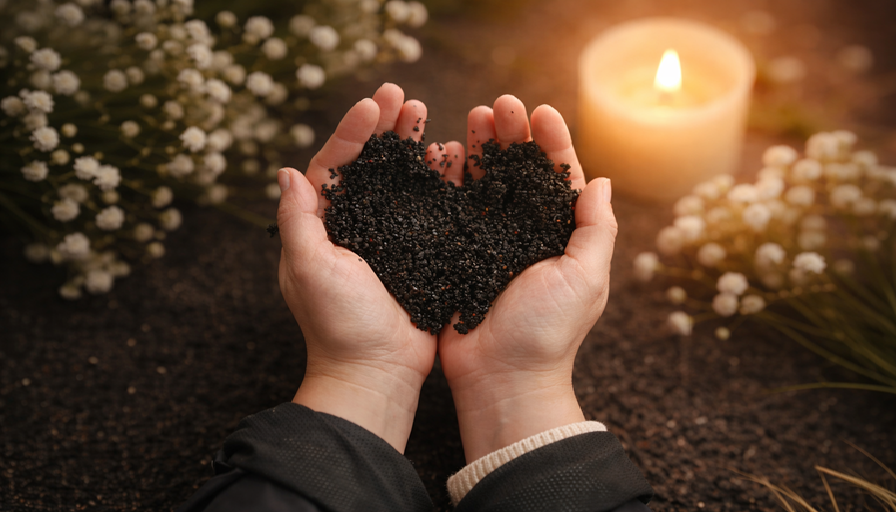
When the Hardest Conversation Becomes an Act of Love
Most families do not avoid end-of-life conversations because they do not care, they avoid them because they do not want to say the wrong thing. Yet the absence of a conversation often leaves the people you love carrying heavier choices later, under stress, grief, and time pressure. These questions offer a gentle way in, practical, human, and focused on what matters most: comfort, dignity, clear decisions, and a farewell that feels true to you.
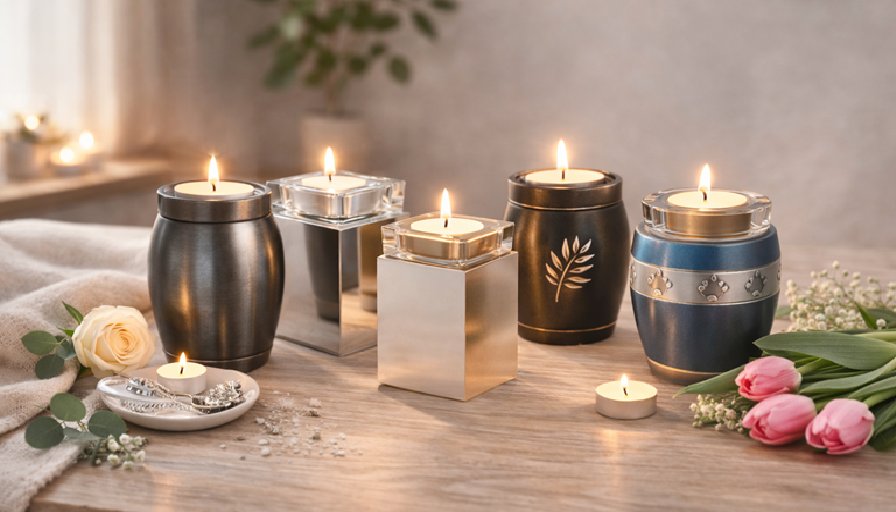
A Flame That Brings Them Close: Why Candle Rituals Still Matter After Loss
In a time when families are often spread across cities, countries, and even continents, grief is increasingly lived at home, quietly, and in fragments. One of the simplest rituals, lighting a candle, is also one of the most durable: a small flame that creates a clear moment of remembrance, whether you are alone in a bedroom in Manchester or sitting at a kitchen table in Ohio. For many people, it is not about religion, but about structure, presence, and a place to return to, especially when ashes, keepsakes, and memories are shared across more than one household.