History and Traditions
Is it Okay to Keep Cremation Ashes at Home?
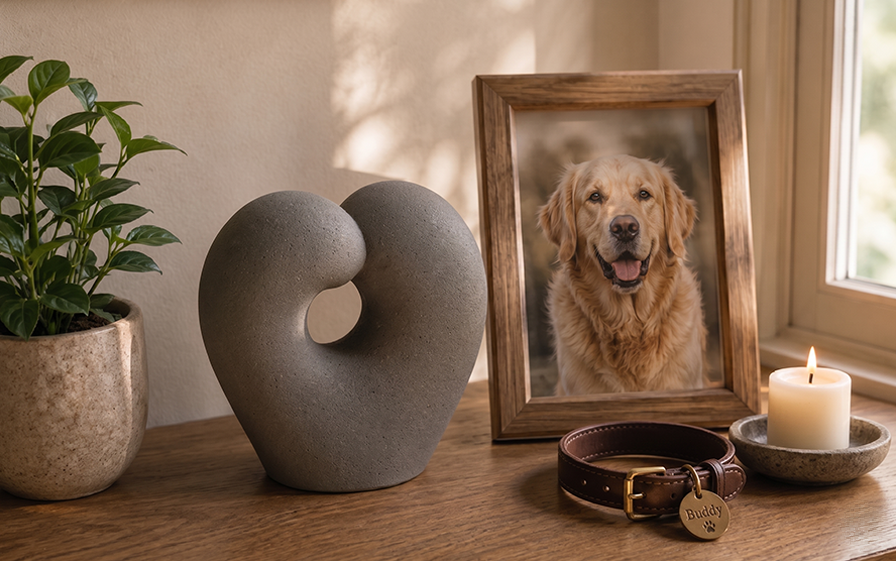
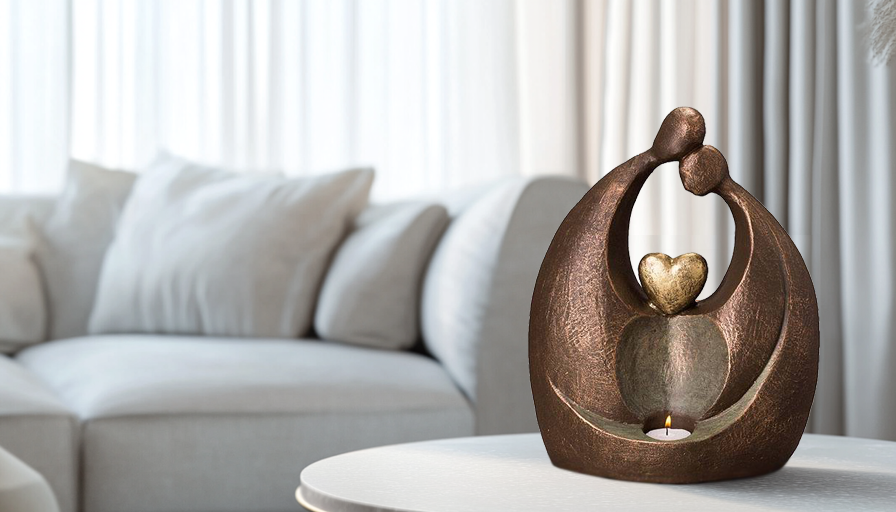
In the United States, the tradition of honoring loved ones after cremation is evolving. While scattering ashes or placing them in a cemetery or columbarium used to be the norm, more and more people now choose to keep cremation ashes at home. But is this legally permitted? And just as importantly, is it emotionally and culturally appropriate? This guide offers a comprehensive overview of your rights, your options, and the personal and practical considerations involved in keeping a loved one's ashes at home. From legal guidelines to emotional support, we’ll walk you through what you need to know to make an informed and heartfelt decision.

What to Do When Someone Dies: A Step-by-Step Guide for Families
Losing a loved one is never easy. Amidst the emotional weight of grief, you're suddenly faced with practical decisions, legal responsibilities, and countless questions you may not feel ready to answer. Whether the loss was expected or sudden, the days that follow can feel overwhelming. This guide is here to offer clarity and support—walking you step by step through what needs to be done after someone dies, so you can focus on what matters most: honoring their memory and taking care of yourself and those around you.

Do US Cemeteries Have Specific Urn Requirements?
As cremation becomes an increasingly common choice in the United States, more families are considering permanent memorials in cemeteries — whether through burial, columbarium placement, or dedicated remembrance gardens. However, unlike keeping an urn at home or scattering ashes privately, placing a cremation urn in a cemetery involves following specific rules. From material durability to size restrictions and vault requirements, these guidelines vary from one cemetery to another. In this guide, we’ll walk you through what you need to know to ensure your loved one’s urn meets all necessary cemetery standards — giving you peace of mind and a meaningful place to honor their memory.

How Do I Transfer Ashes into an Urn?
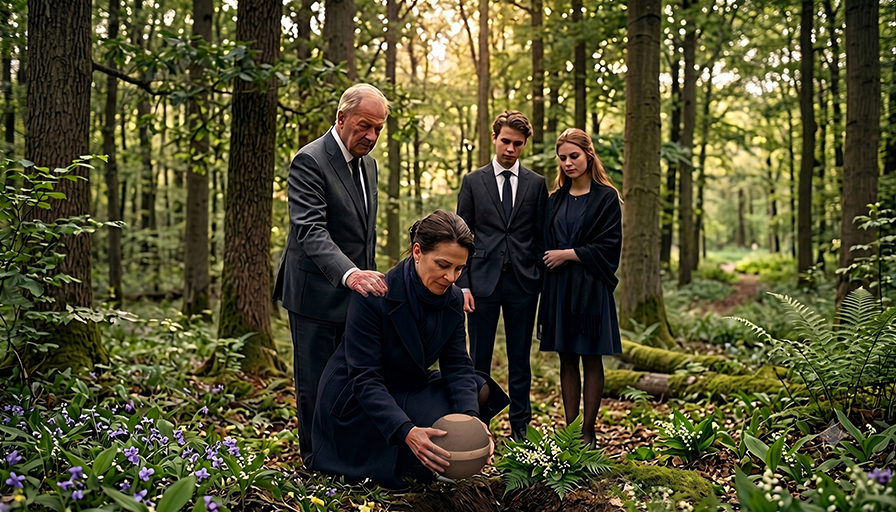
Placing a loved one’s ashes into an urn is not just a practical step—it’s a tender, symbolic act of remembrance. Whether done in the quiet of your own home or with the support of a funeral professional, this moment often carries deep emotional weight. It may be the first time you physically engage with your loved one’s remains, making it both an intimate and sacred responsibility. This guide is designed to help you navigate the process with clarity, calm, and compassion—so you can honor their memory in a way that feels respectful, personal, and truly your own.
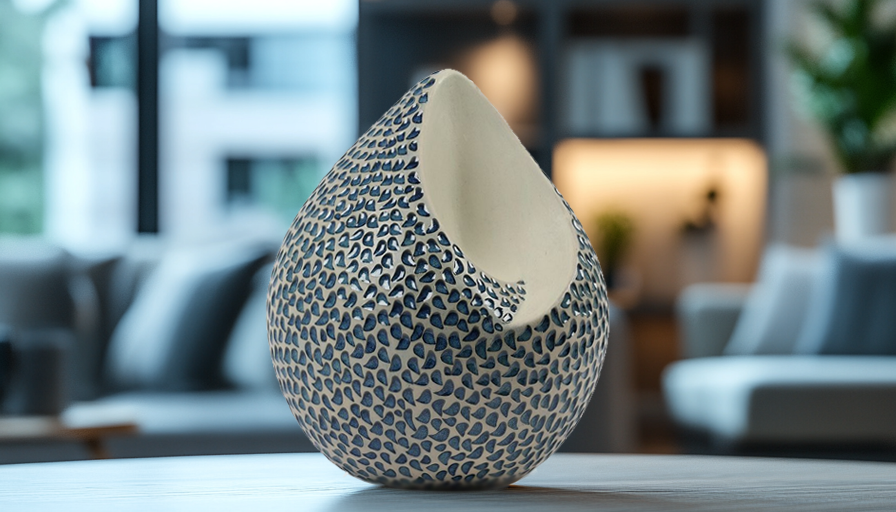
How do I select an urn that matches my loved one's personality?
Choosing an urn is far from a simple decision. It is a deeply personal, intimate moment—where memory and emotion come together. How do you find an urn that is not only beautiful, but truly reflects the essence of the person you miss so dearly? In this blog, we follow Anna on her search for the perfect urn for her father. Her story offers a step-by-step guide to help you choose with care—honouring a life, a love, and a unique personality. From symbolic meaning and materials to personal touches and practical matters—everything is covered.

How to Choose the Right Size Cremation Ashes Urn for Your Loved One
Selecting the right size cremation urn is an essential part of honoring and preserving your loved one’s memory. But how do you determine the ideal size? In this blog, we offer both practical guidance and personal insights to help you navigate this important decision. Our goal is to ensure your loved one’s memory is preserved beautifully and respectfully.
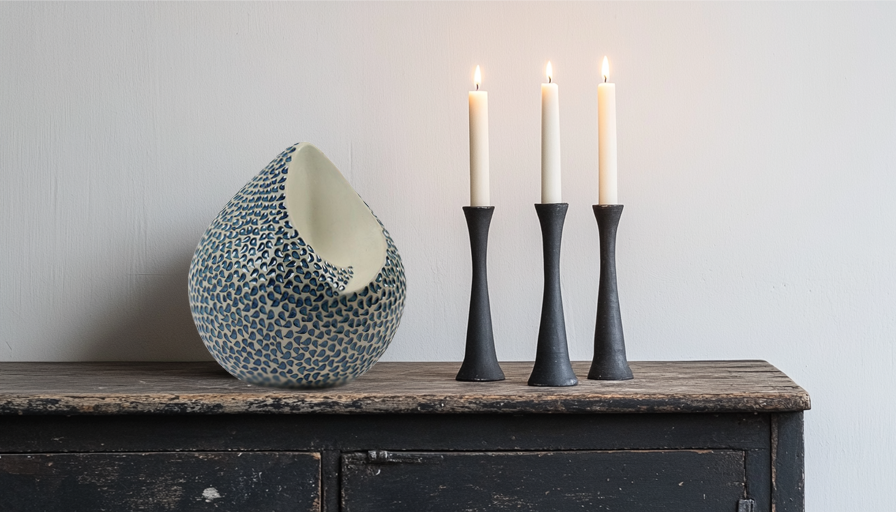
Understanding the Differences Between Burial, Decorative, and Scattering Urns
Choosing the right urn for a loved one's ashes can be both meaningful and challenging. Burial urns, decorative urns, and scattering urns each serve unique purposes and reflect distinct traditions and preferences. This guide clarifies these differences, helping you select the perfect urn to honor and celebrate your loved one's memory with dignity and care.


A compassionate guide in writing a Eulogy
Writing a eulogy is a personal and emotional task. It’s more than a speech—it’s a heartfelt tribute that captures memories, emotions, and love. This article offers gentle guidance: reflect, be sincere, and don’t fear imperfections. The most meaningful eulogies are honest, emotional, and true to the person remembered—a step toward healing and connection.

7 Popular Funeral Alternatives: Honoring Loved Ones in Unique Ways
Traditional funerals have long been the norm for honoring the lives of loved ones, but in recent years, many people are seeking more personal, meaningful, and environmentally friendly alternatives. These modern options reflect changing values, focusing on individuality, sustainability, and creative expressions of remembrance. If you’re exploring unique ways to honor a loved one or pre-planning your own arrangements, here are seven popular funeral alternatives that break away from convention while providing comfort and significance.