
Do US Cemeteries Have Specific Urn Requirements?
When a loved one passes away and is cremated, one of the most heartfelt decisions you'll face is where and how to lay their ashes to rest. For many families across the United States, cemeteries offer a peaceful and enduring place to remember and honor those who have passed. But if you’re considering placing a cremation urn in a cemetery, you may be wondering: do US cemeteries have specific urn requirements?
The short answer is: yes, often they do. And those requirements can vary widely depending on the cemetery, the state, the local regulations, and even the type of urn placement you choose.
In this comprehensive guide, we’ll explore:
- Types of urn placement options in US cemeteries
- Common legal and practical regulations
- Materials and urn durability
- Size and capacity guidelines
- Religious and cultural factors
- Costs, vaults, and permits
- Best practices when selecting an urn for burial or niche placement
Whether you're planning ahead or arranging a loved one's final wishes, understanding cemetery requirements will help you make informed, respectful, and lasting decisions.
1. Options for Placing a Cremation Urn in a US Cemetery
Cemeteries across the U.S. offer several ways to inter or store cremated remains. Each method may come with its own set of guidelines for the type of urn that can be used.
1.1. Burial of the Urn
One of the most common options is to bury the urn in a plot, often in a cremation section of the cemetery or alongside another family member in a full-sized grave. Many cemeteries require the urn to be placed inside a burial vault or urn vault to protect it from the elements and ground pressure.
1.2. Columbarium Niche
A columbarium is a wall or structure with recessed compartments (niches) designed to hold urns. These are typically located within mausoleums, churches, or dedicated sections of the cemetery.
1.3. Scattering Gardens and Memorial Walls
Some cemeteries provide scattering gardens, where ashes can be scattered in a serene, landscaped environment. Others offer memorial walls, where names can be inscribed even if the ashes are scattered or kept elsewhere.
1.4. Mausoleum or Family Crypt
Though less common, cremated remains can also be placed in a mausoleum, either in a niche or within a family crypt, especially in more traditional or private cemeteries.
2. Do Cemeteries in the US Legally Require Specific Urns?
There is no national law that dictates what kind of urn must be used in the U.S., but state laws, local cemetery regulations, and religious guidelines can impact what is allowed.
State Regulations
States such as California, Florida, and New York may regulate:
- Whether urns need to be enclosed in vaults
- Scattering permissions
- Cemetery certification standards
Local Cemetery Rules
Every cemetery sets its own policies, and these typically cover:
- What urn materials are permitted
- Size and shape limits (especially for columbarium niches)
- Whether biodegradable urns are allowed
- Use of outer containers (vaults)
- Inscription and decoration limits
Before purchasing an urn or scheduling an interment, always check with the cemetery administrator or funeral director for the latest and specific requirements.
3. Why Cemeteries Have Urn Restrictions
Cemeteries establish urn requirements to:
- Protect the integrity of the burial grounds
- Ensure compatibility with available infrastructure (e.g., vaults, niches)
- Maintain aesthetics and environmental standards
- Accommodate maintenance, recordkeeping, and future interments
- Comply with health and safety protocols
Choosing an approved urn ensures that your loved one's resting place remains secure and respected over time.
4. What Materials Are Allowed for Cemetery Urns?
One of the most important considerations is the material of the urn. Cemeteries often specify acceptable materials based on durability, safety, and environmental impact.
4.1. Metal Urns
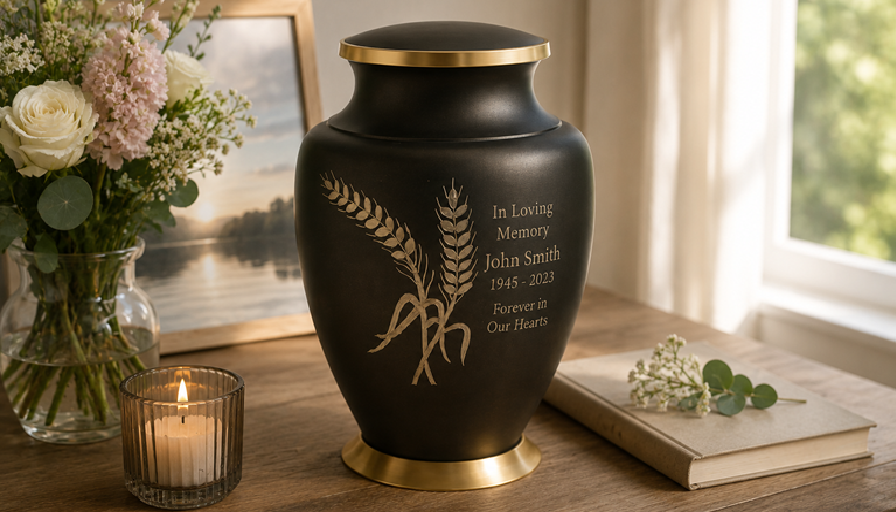
Metal urns — such as brass, bronze, stainless steel, and copper — are widely accepted across cemeteries due to their durability and resistance to weathering. They are especially recommended for burial or placement in a columbarium.
4.2. Stone and Marble Urns
Granite, marble, and other stone urns are sturdy and elegant. Many families choose these for permanent placement in vaults or above-ground mausoleums. However, they tend to be heavier and more expensive.
4.3. Wood Urns
Wooden urns are beautiful and symbolic, often made from oak, cherry, maple, or walnut. These are usually allowed for burial, but may need to be placed in an urn vault to prevent decomposition.
4.4. Biodegradable Urns
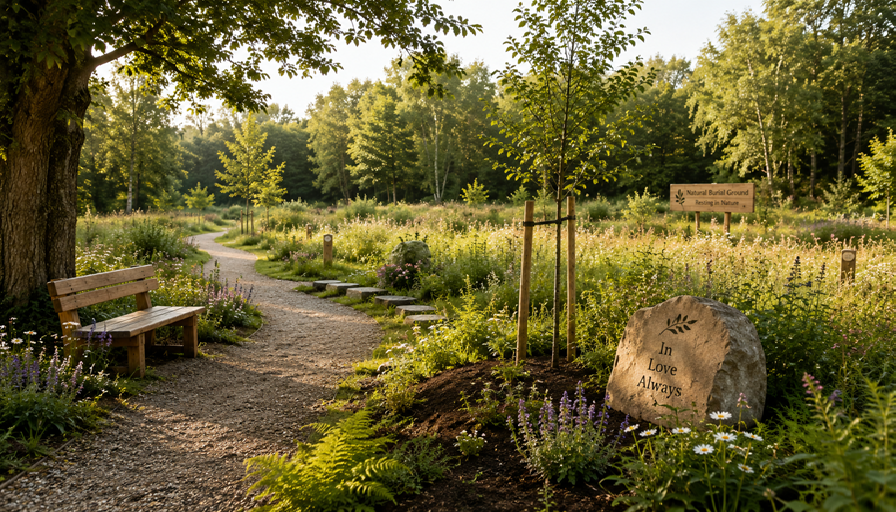
Eco-conscious families may consider urns made from paper, sand, salt, or cornstarch. These are ideal for green burial cemeteries, but many traditional cemeteries do not accept biodegradable urns unless they are encased in a vault.
4.5. Ceramic and Glass Urns
These can be visually stunning, but some cemeteries may prohibit fragile materials due to the risk of breakage during burial or maintenance.
5. Urn Size and Capacity Requirements
Standard adult urns are designed to hold approximately 200 cubic inches of ashes — the average volume after cremation. However, size matters when it comes to placement:
- Columbarium niches: Often limited to 9–12 inches in height and width
- Burial vaults: Require an urn that fits securely inside the vault (ask for exact vault dimensions)
- Double urns: If interring two individuals in one urn, you’ll need larger capacities and cemetery pre-approval
Always check with the cemetery to ensure the urn will fit within the allocated space.
6. Do You Need an Urn Vault?
In many US cemeteries, especially in the Midwest and South, you’ll be required to use an urn vault. This is a rigid, protective container that holds the urn and prevents soil settling or collapse.
Urn vaults:
- Protect the urn from moisture and pressure
- Help maintain cemetery landscape integrity
- Are often required for any in-ground burial
Vaults are made from plastic, metal, concrete, or composite materials, and can range from simple to ornate. Some cemeteries sell approved vaults directly, while others allow you to purchase them independently — as long as they meet their specifications.
7. Religious and Cultural Considerations
The United States is home to diverse cultural and religious traditions, which can influence urn design and cemetery regulations.
- Catholic Cemeteries: Prefer urns to be buried or stored in a columbarium; scattering is discouraged.
- Jewish Cemeteries: Traditional Jewish law prohibits cremation, but more liberal branches may allow urn interment with restrictions.
- Muslim Cemeteries: Islam generally forbids cremation, so you will not find cremation urns in Islamic burial grounds.
- Christian Protestant Cemeteries: Generally flexible, though some require burial vaults or disallow scattering.
- Hindu and Buddhist Traditions: Typically favor scattering in water, but some families choose to store ashes in private mausoleums or family plots.
If your loved one’s faith or tradition plays a role in their memorial plans, consult with both a religious advisor and the cemetery to ensure respectful compliance.
8. Examples of Cemetery Urn Guidelines (U.S.-Based)
8.1. Arlington National Cemetery (Virginia)
- Urns must be durable and non-biodegradable
- Placement requires a burial urn vault
- Columbarium niches have strict size and material limits
8.2. Forest Lawn Memorial Park (California)
- Allows both burial and columbarium interment
- Requires outer container or vault for urn burial
- Inscriptions must conform to approved style guidelines
8.3. Green Burial Council-Certified Cemeteries
- Only biodegradable urns made from sustainable materials
- No metal, plastic, or synthetic coatings allowed
- No vaults permitted
Each cemetery will provide a detailed brochure or online guideline with specific measurements and material requirements — be sure to review these before making a purchase.
9. Costs and Permits for Urn Interment
Cremation is often seen as a more affordable alternative to traditional burial, but cemetery costs can still add up:
- Interment fee: $200–$800, depending on location
- Plot purchase or lease: $500–$5,000+
- Vault cost: $150–$600
- Columbarium niche: $900–$3,500+
- Engraving or plaque: $100–$400
You'll also need to submit paperwork including:
- A cremation certificate
- Interment authorization forms
- Proof of ownership for the plot or niche
- A description or photo of the urn (in some cases)
10. Tips for Choosing an Urn for Cemetery Placement
- Call the cemetery first and ask for their urn guidelines.
- Choose the placement type before choosing an urn.
- Measure carefully, especially for columbarium niches.
- Verify vault requirements for burial.
- Avoid fragile or unapproved materials like glass or untreated wood.
- Ask if personalization is allowed, such as engraving or artwork.
- Document all approvals in writing before scheduling interment.
Final Thoughts
Yes — most US cemeteries do have specific urn requirements. From material durability and size limits to vault usage and religious traditions, the rules help ensure that your loved one's final resting place is safe, respectful, and sustainable.
Before you select an urn or schedule the interment, take the time to understand your cemetery’s regulations. This not only avoids logistical issues but gives you peace of mind that your loved one is remembered in a way that honors their life and meets all necessary standards.
For families seeking high-quality urns approved for cemetery use — including vault-compatible, columbarium-sized, and eco-friendly options — visit legendURN. Our collection includes handcrafted, elegant, and regulation-compliant urns designed with care and compassion.