Who Will Care for Your Pet When You Pass Away?
For many of us, our pets are not just animals; they are beloved family members. They provide companionship, unconditional love, and endless joy. But as pet owners, we often forget to address a crucial question: what happens to our pets if we pass away? Ensuring that your pet is cared for after you're gone is an act of love and responsibility that ensures their safety and well-being in your absence. Here, we explore the options, considerations, and steps to ensure your furry, feathery, or scaly friend has a secure future.
The Emotional and Legal Importance of Planning Ahead
When we think about estate planning, we typically focus on financial assets, property, and family arrangements. Pets, however, are often overlooked in this process. Legally speaking, pets are considered property in the U.S., which means they cannot inherit money or property directly. Without a plan, your pet may end up in a shelter or worse, left without care.
Planning for your pet’s future is not just a practical step; it’s an emotional responsibility. Just as you would make arrangements for dependents or loved ones, taking proactive measures ensures your pet is not left vulnerable.
Steps to Plan for Your Pet’s Care
1. Identify a Caregiver
The first step is to identify a trusted person who will take care of your pet. This could be a family member, friend, or neighbor who shares your love for animals. Before naming anyone, have an open conversation to ensure they are willing and capable of taking on this responsibility. Consider the following:
- Compatibility: does this person have experience with animals? Are they familiar with the needs of your specific pet?
- Lifestyle: do they have the time, space, and resources to care for your pet?
- Emotional Connection: does your pet already have a bond with this person?
2. Create a Pet Care Plan
Once you’ve identified a caregiver, outline a detailed care plan. This should include:
- Daily Routine: feeding schedules, exercise needs, and grooming requirements.
- Medical Information: veterinary contact details, medical history, and any ongoing treatments or medications.
- Preferences: your pet’s favorite toys, foods, and habits to help them adjust to their new environment.
Providing these details will make the transition smoother for both your pet and their new caregiver.
3. Include Your Pet in Your Will
While pets cannot directly inherit, you can allocate funds and name a caregiver in your will. This ensures that your wishes are legally recognized and carried out. When drafting your will, include:
- Name of the Caregiver: specify the person you’ve chosen to care for your pet.
- Funds for Pet Care: allocate a portion of your estate to cover your pet’s ongoing expenses, such as food, veterinary care, and grooming.
Consider consulting an attorney experienced in estate planning to ensure everything is legally binding.
4. Set Up a Pet Trust
In the U.S., you can establish a pet trust as a legal arrangement to ensure funds are used exclusively for your pet’s care. This involves appointing a trustee to manage the funds and oversee the caregiver. A pet trust provides additional security and accountability.
Alternative Arrangements
Rehoming with a Rescue Organization
If you cannot find a trusted caregiver, many animal charities and organizations in the U.S., such as the ASPCA or local animal shelters, offer pet rehoming services. These organizations can find a loving home for your pet. Some even have specific programs for pets of deceased owners.
Perpetual Care Programs
Some charities and animal shelters offer perpetual care programs, where you register your pet, and they commit to caring for or rehoming them after your passing. These programs often require a donation to cover the costs of your pet’s long-term care.
Here are some organizations that can assist you in planning for your pet's future care.
2nd Chance 4 Pets
Focus: Helps pet owners plan for the care of their pets in the event of the owner’s death or incapacity. They provide resources to ensure pets are not left homeless.
Pet Peace of Mind
Focus: Supports hospice patients by ensuring their pets receive care during the patient’s illness and rehoming assistance when needed after the patient passes away.
Animal Friends
Focus: Provides adoption and rehoming services, as well as programs to assist pet owners in finding a new home for their animals.
Stevenson Companion Animal Life-Care Center
Focus: Offers a long-term care program for pets whose owners are no longer able to care for them, including after the owner’s death.
Petfinder Foundation
Location: Tucson, AZ
Service: Online database connecting pet owners with shelters and rescue groups.
Best Friends Animal Society
Location: Kanab, UT
Service: Animal welfare organization offering rehoming support and shelter services.
PetSmart Charities
Location: Nationwide (various store locations)
Service: Partners with local shelters to host adoption events and provide resources for rehoming pets.
ASPCA (American Society for the Prevention of Cruelty to Animals)
Location: Nationwide
Service: Rehoming and rescue services for a wide range of pets.
Home to Home
Location: Online platform
Service: Connects pet owners directly with new adopters to reduce shelter admissions.
Humane Society of the United States (HSUS)
Location: Nationwide
Service: Rehoming assistance and resources for pet owners in need.
These organizations provide guidance, resources, and services to ensure your pet finds a loving and suitable new home.
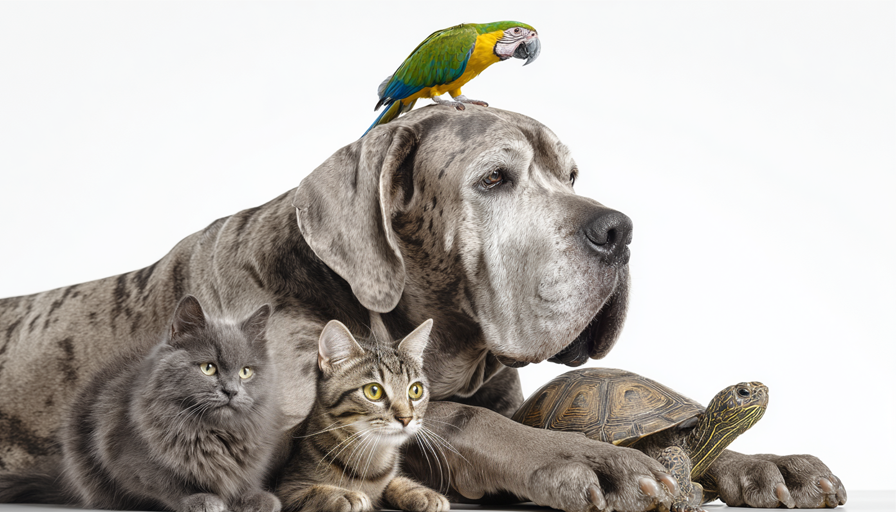
If you have multiple pets, it’s generally best to arrange for them to be rehomed together. Staying together can ease their adjustment to your passing and provide comfort in their new environment. While this might make finding a home more challenging, as it requires someone willing to care for multiple animals, the organizations listed above can offer support in such cases.
Special Considerations for Different Types of Pets
Rehoming Dogs
Dogs are highly social animals and can experience significant stress after losing their owner. Their new caregiver should be prepared to provide plenty of attention, exercise, and stability.
Rehoming Cats
Cats are often more independent but can struggle with changes in their environment. Familiar items, like their bed or favorite toy, can help ease the transition.
Rehoming Birds, Reptiles, and Exotic Pets
These pets often have specific care requirements, such as specialized diets or habitats. Finding a caregiver with knowledge of their needs is crucial.
Rehoming Small Mammals
Rabbits, guinea pigs, and hamsters may require less space but still need daily attention and proper care. Their lifespan may also be a consideration when planning.
Discussing the Topic with Loved Ones
Talking about death is never easy, but open communication is essential. Share your wishes with family and friends and explain the importance of planning for your pet’s future. This transparency can prevent misunderstandings and ensure everyone is on the same page.
What to Avoid
- Assuming Someone Will Step In: without a formal plan, your pet’s care is uncertain. Do not rely on assumptions.
- Lack of Financial Provision: caring for a pet can be costly. Ensure funds are available to support their needs.
- Failing to Update Plans: life circumstances change. Regularly review and update your pet care arrangements to reflect any changes in your or your caregiver’s situation.
Providing Peace of Mind
Planning for your pet’s care after your passing is an act of love and responsibility. It ensures they are not left vulnerable and honors the bond you share. By taking proactive steps, you provide peace of mind for yourself and those who love your pet.
Whether it’s through a trusted caregiver, a pet trust, or a rehoming organization, the key is to act now. After all, our pets dedicate their lives to us; it’s only right that we ensure their future is secure when we can no longer be there for them.
So, who will care for your pet when you pass away? The answer lies in careful planning, open communication, and the unshakable love you have for your loyal companion. Start today, and give your pet the future they deserve.
If you have any questions, comments or according to you certain information is missing after reading this article, feel free to contact us via the contact form.